
Daily keyword research · peptides Malaga
Peptides Malaga: Research Materials for Recovery & Tissue Repair
Explore research-grade peptides in Malaga for laboratory studies on recovery and tissue repair, including GHK-Cu, BPC-157, and TB-500. For research use only.
Reading this research reference
The information below concerns the research subject, not proof of the identity or performance of a supplied material. Check the original sources and your laboratory’s requirements; product documentation must be assessed separately for the exact batch.
Peptides in Malaga: Advancing Research in Tissue Repair
The scientific community in Malaga, Spain, actively contributes to various fields of biomedical research. As a hub for innovation, access to high-quality research materials, including peptides, is crucial. This page discusses the availability and research applications of specific peptides known for their roles in tissue repair and recovery, such as GHK-Cu, BPC-157, and TB-500, for *in vitro* and laboratory reference.
GHK-Cu: A Tripeptide for Extracellular Matrix Remodeling
GHK-Cu (Glycyl-L-Histidyl-L-Lysine-Copper(II)) is a naturally occurring human copper complex, extensively studied for its various biological activities, particularly concerning tissue regeneration and wound healing. In *in vitro* models, GHK-Cu has been observed to stimulate collagen and glycosaminoglycan synthesis, crucial components of the extracellular matrix. Research indicates its potential involvement in antioxidant processes and anti-inflammatory pathways. The copper ion bound to the tripeptide is hypothesized to play a significant role in these observed effects, influencing cellular differentiation and tissue remodeling processes.
Studies utilizing GHK-Cu as a laboratory reference material often focus on its impact on fibroblast proliferation, angiogenesis, and the regulation of genes associated with tissue repair. These investigations contribute to a deeper understanding of the molecular mechanisms underlying physiological recovery, offering insights relevant to numerous biological systems. Researchers in Malaga investigating dermal regeneration or connective tissue dynamics may find GHK-Cu a valuable tool for their *in vitro* experiments.
BPC-157: A Gastric Pentadecapeptide with Systemic Effects
Body Protection Compound-157 (BPC-157) is a synthetic pentadecapeptide composed of 15 amino acids, derived from human gastric juice protein. Its stability in gastric acid suggests its physiological relevance in protective mechanisms within the gastrointestinal tract. Research applications of BPC-157 have extended beyond digestive health, with numerous *in vitro* and *in vivo* animal studies exploring its regenerative potential in various tissues.
Laboratory investigations into BPC-157 often explore its pro-angiogenic properties, its capacity to promote fibroblast and osteoblast proliferation, and its anti-inflammatory effects. Researchers have observed its influence on collagen organization and its potential to modulate growth factor expression, particularly VEGF (Vascular Endothelial Growth Factor) and FGF (Fibroblast Growth Factor), critical for tissue repair. For researchers in Malaga focusing on tendon, ligament, muscle, or gut integrity, BPC-157 offers a compelling avenue for *in vitro* experimentation into repair mechanisms. Further details can be found in our companion blog post, "Recovery and Tissue Repair: GHK-Cu, BPC-157 and TB-500 Mechanism Notes".
TB-500: A Synthetic Derivative of Thymosin Beta-4
TB-500 is a synthetic fraction of the naturally occurring protein Thymosin Beta-4 (Tβ4). Tβ4 is an actin-sequestering protein found in virtually all human and animal cells, playing a significant role in cell migration, differentiation, and tissue regeneration. TB-500, specifically the fragment Ac-SDKP, has been a focal point of research due to its observed effects bypassing the need for the full protein structure.
Research applications of TB-500 primarily involve its role in angiogenesis, cell migration, and anti-inflammatory processes. *In vitro* studies have demonstrated its capacity to promote endothelial cell migration and differentiation, crucial for new blood vessel formation. Furthermore, its influence on actin dynamics is hypothesized to facilitate cell motility, which is essential for wound closure and tissue remodeling. Researchers in Malaga interested in cardiovascular repair, dermal wound healing, or ocular surface regeneration may utilize TB-500 in their controlled laboratory experiments to elucidate these mechanisms.
Compliance and Research Application
All peptides discussed, including GHK-Cu, BPC-157, and TB-500, are strictly intended for *in vitro* research and laboratory reference purposes. They are not approved for human or animal consumption, nor are they intended for use as diagnostic, drug, or food additives. Researchers are responsible for adhering to all local and international regulations regarding the handling and use of research-grade materials in Malaga and beyond. Rigorous ethical and safety protocols must be followed during all experimental procedures involving these compounds.
**Educational Compliance Note:** Regena Peptides provides research-grade materials for *in vitro* laboratory use only. These products are not intended for human consumption or therapeutic purposes. The information provided is for educational and informational purposes only and should not be interpreted as medical advice or claims regarding efficacy or safety in humans. Researchers must comply with all applicable regulations and ethical guidelines.
Frequently asked questions
What are peptides used for in research?+
Peptides are used in research to study their biological effects on cells and tissues *in vitro*, investigate signaling pathways, and explore potential mechanisms of action in various physiological processes. They serve as valuable laboratory reference materials.
Are these peptides available for human use?+
No, peptides like GHK-Cu, BPC-157, and TB-500 are strictly for *in vitro* research purposes and not for human or animal consumption. They are not approved for therapeutic use.
What specifically is GHK-Cu researched for?+
GHK-Cu is researched for its roles in extracellular matrix remodeling, collagen synthesis, antioxidant effects, and anti-inflammatory pathways, particularly in the context of wound healing and tissue regeneration studies.
What are the common research applications for BPC-157?+
BPC-157 is commonly researched for its pro-angiogenic properties, promotion of fibroblast and osteoblast proliferation, and anti-inflammatory effects, particularly relevant to studies on tendon, ligament, muscle, and gut integrity in laboratory settings.
How does TB-500 function in research studies?+
TB-500 (Thymosin Beta-4 fragment) is researched for its involvement in angiogenesis, cell migration, and anti-inflammatory processes, often in studies related to cardiovascular repair and dermal wound healing.
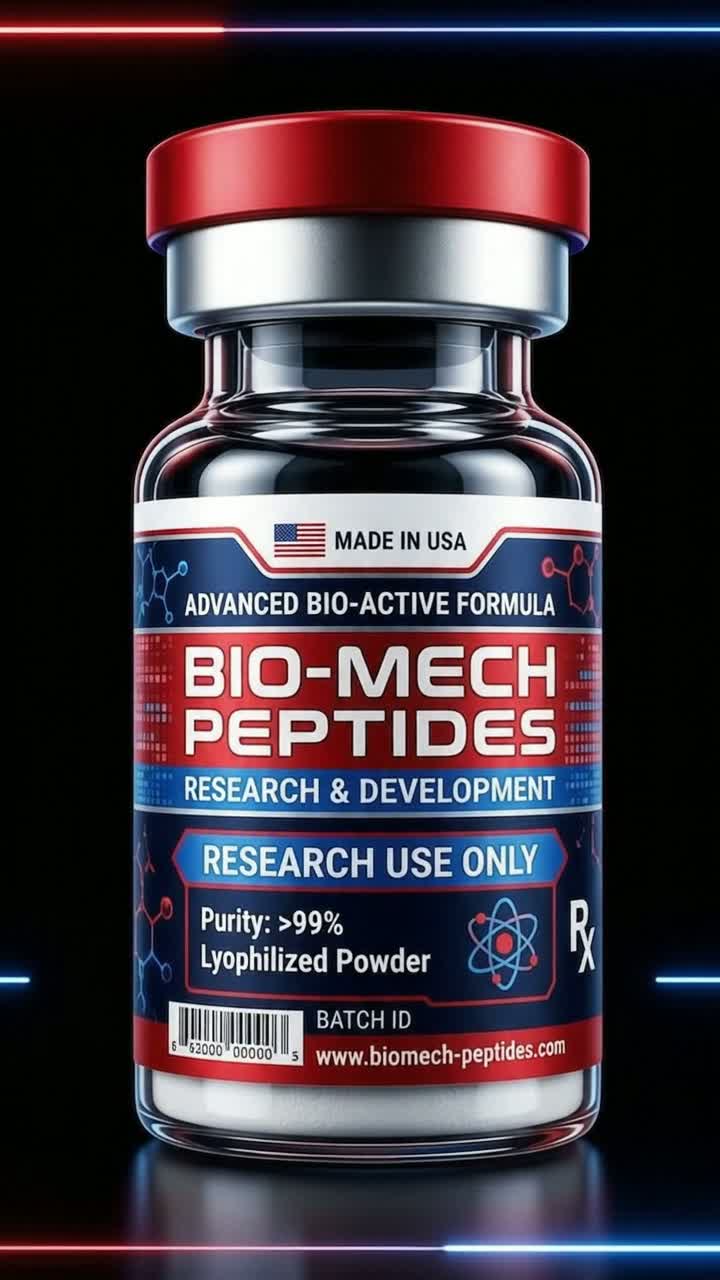
BPC-157 + TB-500 vs GHK-Cu on Bio Mech
Product details, batch documentation and support for the compounds discussed above. Research use only.
Continue your research
Read the related blog article
Companion educational post
Explore the peptide library
Compound reference pages and COA links
Book a research consultation
Educational guidance for research planning
Search the knowledge base
Every research article, comparison and COA explainer
Peptides Marbella: Research & Reference Materials for Laboratories
Related research reference
Peptides Marbella: Metabolic Health Research & Reference Materials
Related research reference
Research Compounds Europe: Sourcing & Best Practices
Related research reference
Research Compounds Europe: Lyophilised Peptide Handling Guide
Related research reference
Research Compounds Europe: Reconstitution & Storage Guide
Related research reference
Research Peptides UK: GLP-1 Agonists for Laboratory Study
Related research reference
Retatrutide Research Compound: Mechanism, Studies, and Applications
Related research reference
Semaglutide Research Compound: Characterization & Handling
Related research reference
Semaglutide Research Compound: Purity & Characterisation
Related research reference
SS-31 Mitochondrial Peptide: Effects on Mitochondrial Function
Related research reference
Order in 3 steps · tracked delivery
Order research peptides for your laboratory
Batch documentation is provided on request — no laboratory reports have yet been verified for publication against Bio Mech stock. Dispatch is tracked on every order; allow 5–18 business days once tracking is active. Supplied for in-vitro research use only.
- 1
Choose your compound
Browse the catalog or search for a specific reference standard.
- 2
Checkout in 2 minutes
Bank transfer or card — the full price is shown before you pay.
- 3
Tracked dispatch
Tracking on every order; 5–18 business days once tracking is active.
Most ordered this month
BPC-157
From €269.00
Ipamorelin
From €249.00
Bacteriostatic Water
From €149.00
- Research use only — not for human consumption
- Tracked delivery to the USA, UK, Europe and the Middle East
- Batch documentation available on request
Research materials · Order information
Research only
Not for human consumption
Documentation
Ask about the specific batch
Tracked parcels
5–18 business days
Tracked Delivery
5–18 business days
Pay with Wise, Revolut, Monzo, bunq or bank transfer
- Card via Wise
- Card via Revolut
- Bank Transfer