
Research Journal
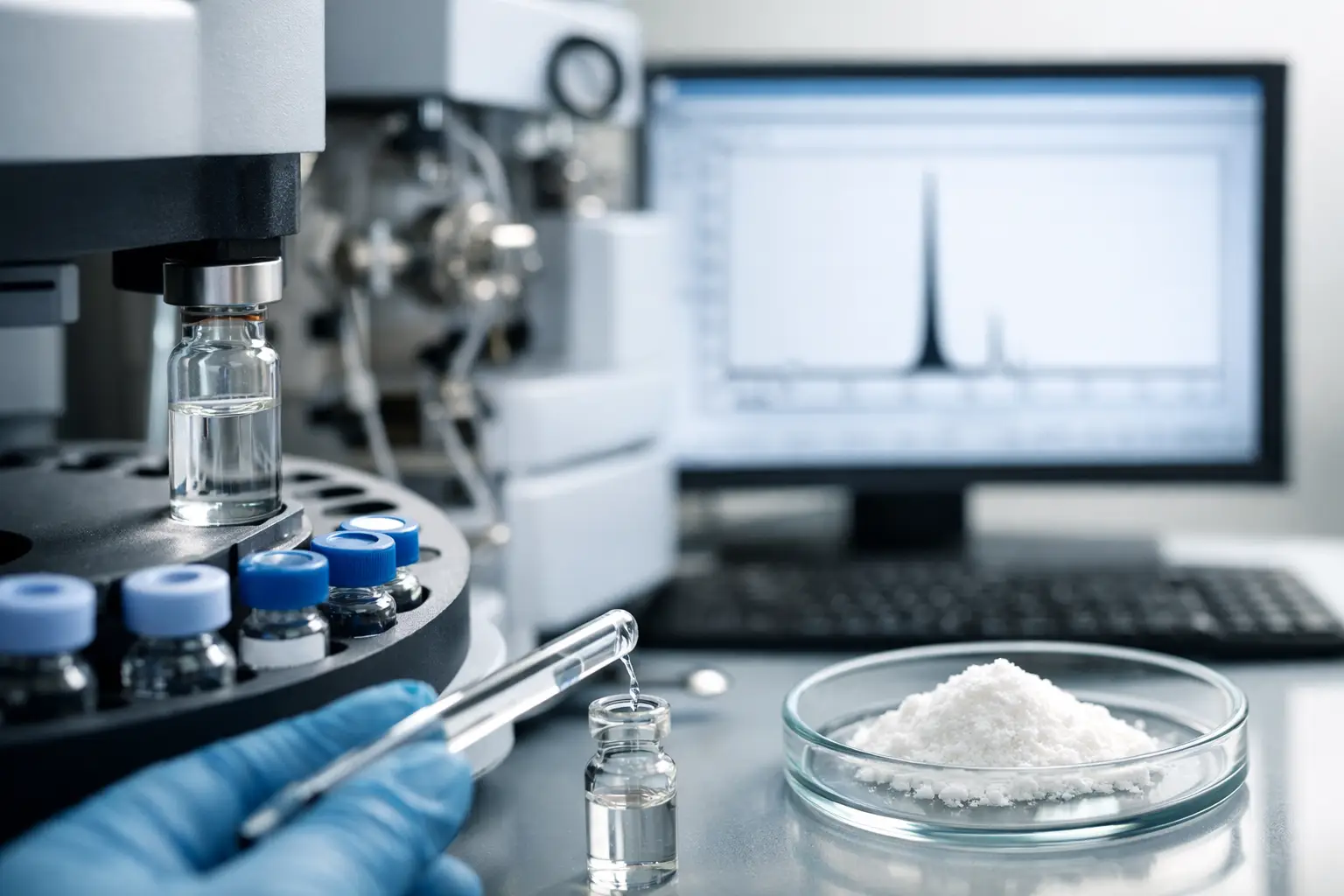
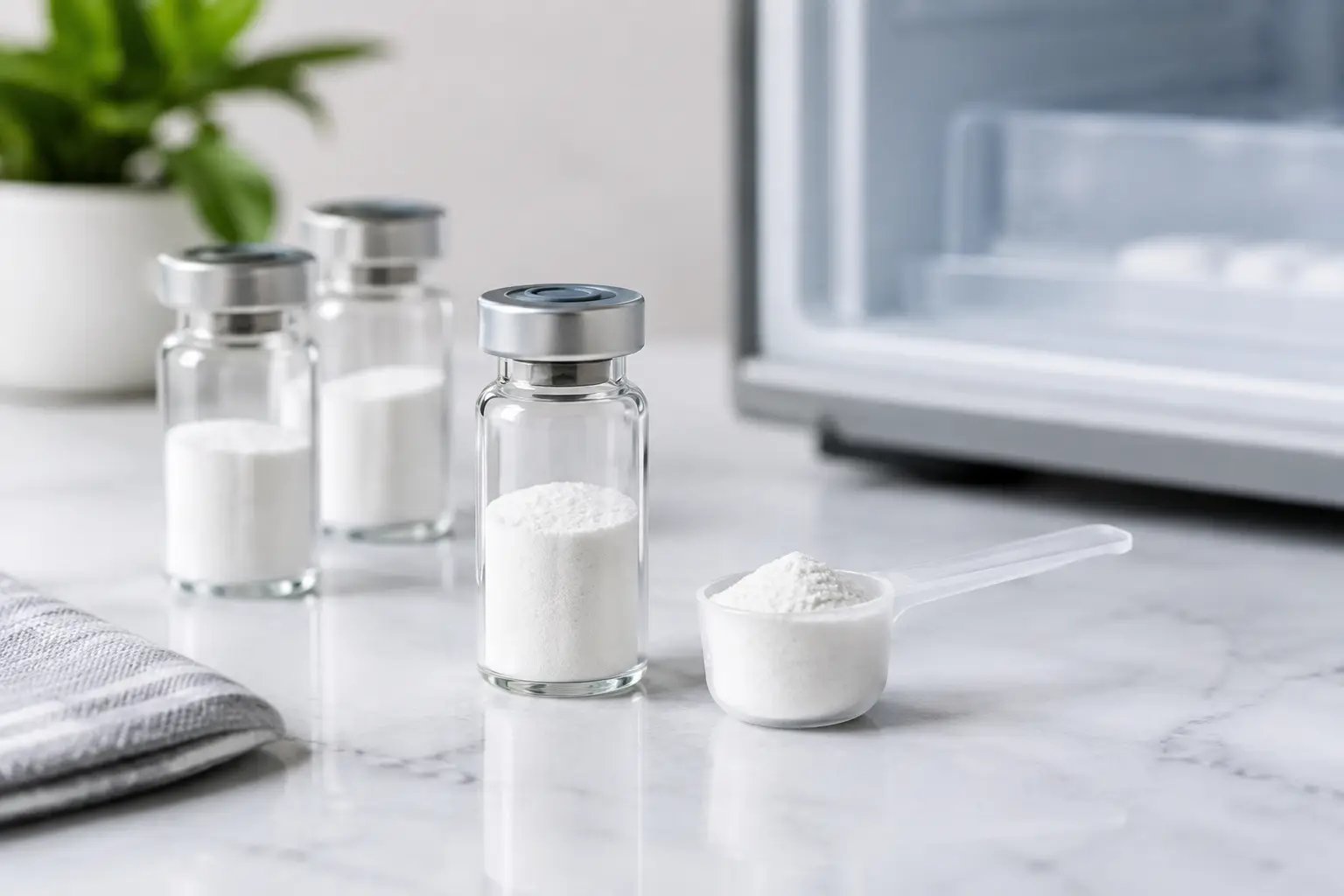
Laboratory Storage and Handling Protocols for Lyophilised Glutathione
Explore expert laboratory protocols for lyophilised glutathione storage, reconstitution best practices, and maintaining chemical stability during benchwork.
Educational reference · Journal and archive
Published research references, compound background and practical documentation guides for laboratory researchers. Not medical advice.
Editorial and evidence policy · Research literature is separate from supplier batch documentation.
Explore expert laboratory protocols for lyophilised glutathione storage, reconstitution best practices, and maintaining chemical stability during benchwork.
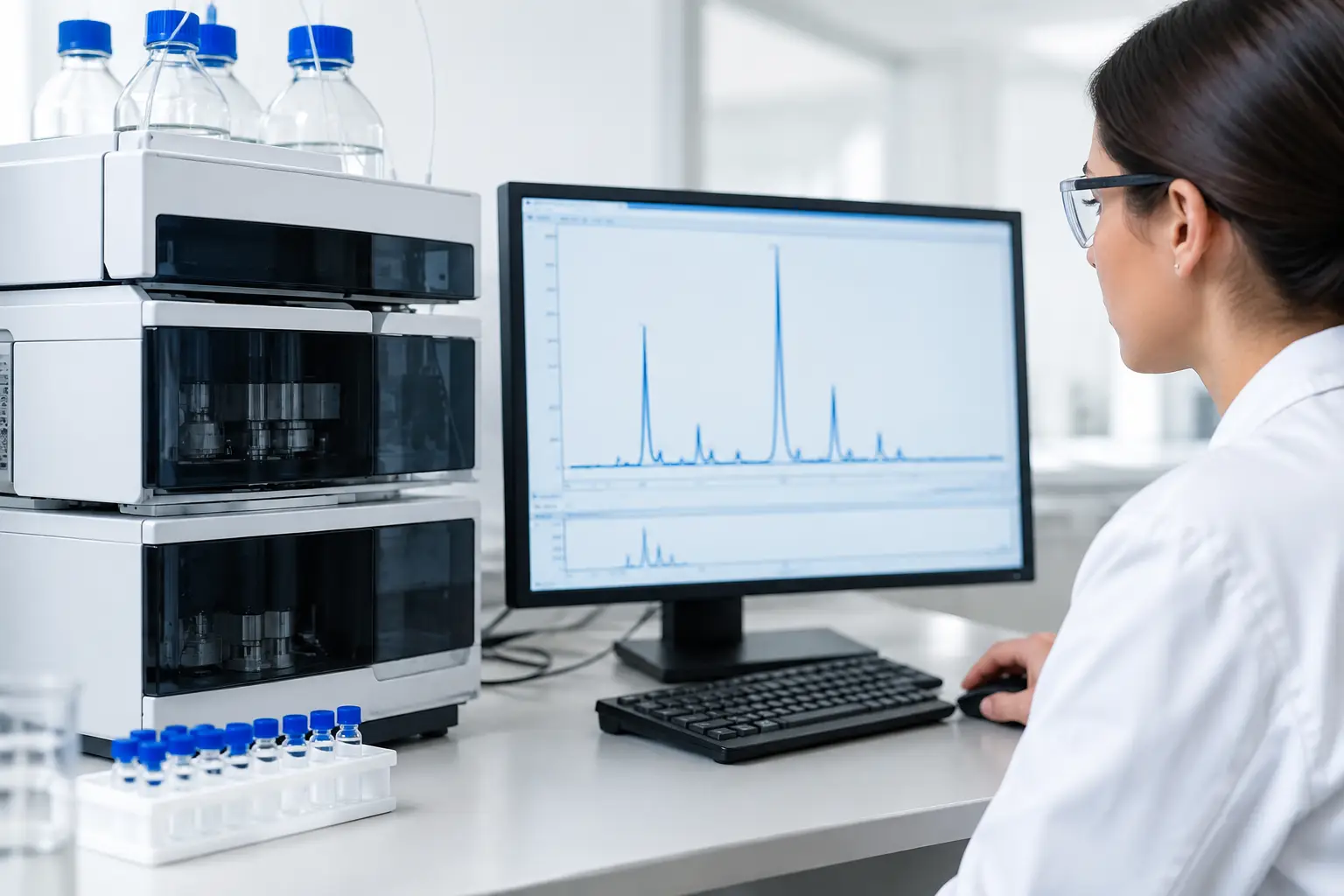
A detailed breakdown of analytical protocols used to verify PT-141 batches, focusing on high-performance liquid chromatography and mass spectrometry.
An in-depth review of published Ipamorelin research, covering selectivity for GHS-R1a, cellular mechanisms, and comparative growth factor signalling models.
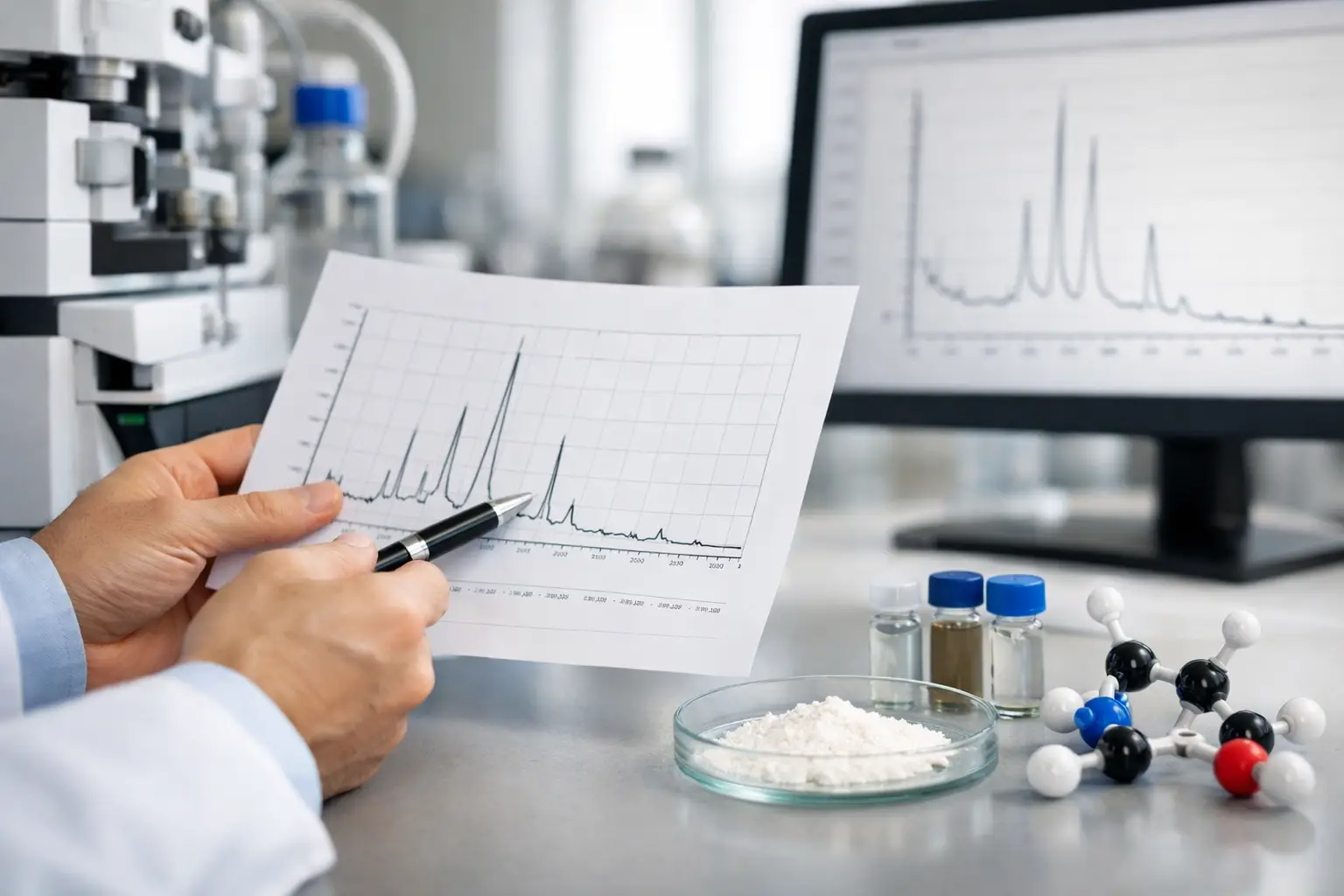
How laboratories characterise AOD-9604 with HPLC and mass spectrometry, store the lyophilised peptide, and match each certificate to the batch received.
A comprehensive review of modern AHK-Cu research trends, examining cellular signaling, extracellular matrix expression, and multi-peptide comparative models.
Discover the essential quality parameters to evaluate before ordering bacteriostatic water for laboratory reconstitution and peptide stability research.
An analytical review exploring how ACE-031 in research models alters myostatin binding, muscle tissue biology, and signaling networks in preclinical studies.
Explore common scientific questions regarding Mazdutide, its dual GLP-1/GCGR receptor pharmacology, handling protocols, and relevant metabolic model data.
Explore the history and molecular discovery of Dihexa, from angiotensin IV origins to hepatocyte growth factor pathway activation in research models.
How laboratories characterise Lemon Bottle, what the published literature examines, and what to check before ordering reference material.
Explore the biochemistry, redox dynamics, and laboratory applications of Glutathione in cellular models, from reactive oxygen species to peptide research.
Explore how PT-141 functions across melanocortin receptor models and how its signaling profile compares to other metabolic and neurological research peptides.
Master laboratory storage and reconstitution protocols for lyophilised Ipamorelin to preserve peptide stability and ensure reproducible research outcomes.
Explore how analytical laboratories verify AOD-9604 batches using RP-HPLC, ESI mass spectrometry, and comprehensive COA documentation for research assays.
How laboratories characterise ACE-031, what the published literature examines, and what to check before ordering reference material.
How laboratories characterise Mazdutide, what the published literature examines, and what to check before ordering reference material.
How laboratories characterise Dihexa, what the published literature examines, and what to check before ordering reference material.
How laboratories characterise Lemon Bottle, what the published literature examines, and what to check before ordering reference material.
How laboratories characterise Glutathione, what the published literature examines, and what to check before ordering reference material.
How laboratories characterise PT-141, what the published literature examines, and what to check before ordering reference material.
How laboratories characterise Ipamorelin, what the published literature examines, and what to check before ordering reference material.
How laboratories characterise AOD-9604, what the published literature examines, and what to check before ordering reference material.
How laboratories characterise AHK-Cu, what the published literature examines, and what to check before ordering reference material.
How laboratories characterise Bacteriostatic Water, what the published literature examines, and what to check before ordering reference material.
How laboratories characterise HGH, what the published literature examines, and what to check before ordering reference material.
How laboratories characterise ELO, what the published literature examines, and what to check before ordering reference material.
How laboratories characterise KLOW Blend, what the published literature examines, and what to check before ordering reference material.
How laboratories characterise Bacteriostatic Water, what the published literature examines, and what to check before ordering reference material.
This article delves into the mechanisms and studied applications of ACE-031, a novel research peptide targeting myostatin, in various cellular and animal models.
This article explores the critical role of NAD+ in cellular energy metabolism and its implications within the context of longevity research, examining how its levels influence mitochondrial function.
This article explores the burgeoning landscape of peptide research within the Costa del Sol region, highlighting key areas of investigation from Marbella to Estepona. It focuses on local scientific contributions and the collaborative environment.
Proper reconstitution and storage are critical for maintaining the integrity and bioactivity of lyophilized research peptides, directly influencing experimental reliability. This guide outlines best practices to ensure peptide stability.
High-Performance Liquid Chromatography (HPLC) is critical for verifying the purity and identity of research peptides. This method helps ensure reliable and reproducible outcomes in laboratory studies.
This article explores the mechanisms and research applications of Ipamorelin and CJC-1295, two synthetic peptides studied for their roles in modulating the growth hormone axis. We examine their interactions with growth hormone secretagogue receptors and GHRH receptors respectively.
This article explores key metabolic health pathways extensively studied using peptide reference compounds, focusing on their roles in glucose homeostasis, lipid metabolism, and energy regulation. It provides an overview of the mechanisms under investigation within research models.
This guide explores various classifications of research peptides based on their mechanisms of action, aiding researchers in understanding their diverse biological roles. It serves as a foundational reference for in-vitro studies.
Cagrilintide, a co-agonist of amylin and calcitonin receptors, is being investigated for its metabolic effects. This article explores its mechanisms of action and implications for research into glucose homeostasis and body weight regulation.
5-Amino-1MQ is a small molecule that has garnered attention in metabolic research, particularly for its role as a NAMPT inhibitor. Studies in various models explore its impact on NAD+ metabolism and fat cell differentiation.
The Costa del Sol region, encompassing Marbella to Estepona, is emerging as a focal point for cutting-edge peptide research. This area benefits from a confluence of academic institutions and private research facilities.
Proper reconstitution and storage are critical for maintaining the integrity and activity of lyophilised research peptides. This guide outlines best practices to ensure peptide stability for laboratory studies.
This article explores Semax, Selank, and DSIP, three prominent research peptides investigated for their potential neuromodulatory and cognitive-enhancing properties in various preclinical models. We examine their mechanisms of action and studied effects.
This article explores the mechanisms of action for GHK-Cu, BPC-157, and TB-500 in the context of tissue repair and recovery in various research models, examining their roles at a cellular level. It highlights their multifaceted biological activities relevant to regenerative processes.
This article reviews the mechanisms of metabolic health pathways, such as insulin signaling and glucose homeostasis, that are frequently investigated using peptide reference compounds in research models.
This article outlines methods for classifying peptides based on their mechanisms of action, crucial for understanding their diverse roles in biological systems. We explore categories such as signaling, antimicrobial, and structural peptides, using GHK-Cu as a research example.
This article explores the research into peptides like BPC-157 and TB-500 concerning their roles in tissue repair and regeneration. We discuss their mechanisms of action and highlight key findings from preclinical studies.
BPC-157 is a synthetic peptide fragment of Human Gastric Juice Protein BPC. Researchers investigate its potential cytoprotective and regenerative properties across various physiological systems.
Side-by-side mechanistic comparison of BPC-157 and TB-500 in tissue-repair research models, including receptor targets, delivery kinetics and typical study designs.
Thymosin Alpha-1 (TA1) is a synthetic肽 studied for its immunomodulatory properties. Research explores its roles in T-cell maturation and cytokine regulation within various immune contexts.
Bench guide to reconstituting lyophilised research peptides — solvent choice, mixing technique, concentration math and cold-chain storage.
How high-performance liquid chromatography quantifies research-peptide purity, why the 99% threshold matters, and what to check on a COA.
This article explores the research into mitochondrial peptides, specifically SS-31 and MOTS-c, and their documented mechanisms of action. Focus is placed on their observed roles in cellular energetics and metabolic regulation in various research models.
This article explores 5-Amino-1MQ, a small molecule inhibitor under investigation for its role in NNMT inhibition and potential metabolic regulation. Research models suggest its involvement in adipose tissue function and energy expenditure pathways.
Mechanistic overview of GHK-Cu, the tripeptide-copper complex most cited in dermal-fibroblast and extracellular-matrix research.
Nicotinamide Adenine Dinucleotide (NAD+) is a crucial coenzyme involved in numerous cellular processes, particularly energy metabolism and mitochondrial function, making it a focal point in longevity research. This article explores NAD+'s role and its interplay with mitochondrial peptides like SS-31.
How temperature, light and freeze-thaw cycles affect lyophilised and reconstituted research peptides, with practical bench recommendations.
Exploring the burgeoning peptide research landscape along Spain's Costa del Sol, focusing on key sites from Marbella to Estepona. We examine the regional contributions to advancements in peptide science.
This article outlines critical methodologies for reconstituting and storing lyophilised research peptides, ensuring data integrity and compound stability in laboratory settings. Adherence to these protocols is essential for accurate experimental outcomes.
High-Performance Liquid Chromatography (HPLC) verification is fundamental for ensuring the purity and identity of peptide reference compounds. This article explores its significance in laboratory research, particularly within European contexts.
This article explores Semax, Selank, and DSIP, three synthetic peptides studied for their potential neurobiological effects. Research models investigate their impact on cognitive functions and physiological processes.
This article explores the roles of Ipamorelin and CJC-1295 in modulating the growth hormone axis. We examine their mechanisms of action and highlight key findings from research models.
This article examines the mechanisms of GHK-Cu, BPC-157, and TB-500 in promoting tissue recovery and repair within various research models. It focuses on their distinct biochemical pathways and observed effects.
This article delves into key metabolic health pathways investigated using various peptide reference compounds in research models. It focuses on mechanisms relevant to glucose homeostasis, lipid metabolism, and energy balance.
This article explores the current research surrounding Epitalon, MOTS-c, and TB-500, examining their proposed mechanisms and implications for longevity in various research models. It focuses on the scientific literature and observed effects in preclinical studies.
This guide explores common peptide classification methods based on their mechanisms of action, focusing on how these classifications aid researchers in understanding peptide functionalities. We also examine GHK-Cu as a notable example.
This article outlines essential characterisation steps for new peptide batches, focusing on purity, identity, and stability to ensure reliable research outcomes. Researchers must diligently assess new compounds before experimental use.
This article explores the legal framework surrounding research peptides within Spain and the wider European Union. It clarifies permissible activities for in-vitro research and regulatory considerations.
This article explores the research into BPC-157 and TB-500, two peptides studied for their potential roles in injury recovery models. It reviews existing literature regarding their mechanisms of action and observed effects in various research settings.
Thymosin Alpha-1 (TA1) is a synthetic 28-amino acid peptide, originally isolated from calf thymus. It is extensively studied for its immunomodulatory properties and its role in various immune signaling pathways.
This article explores the mechanisms of action for GHK-Cu, BPC-157, and TB-500 in the context of tissue repair and recovery in research models. It highlights their various roles in cellular regeneration and inflammation modulation.
This article explores key metabolic health pathways currently under investigation using various peptide reference compounds in research models. Focus is placed on mechanisms related to glucose homeostasis, energy expenditure, and lipid metabolism.
This article explores Epitalon and MOTS-c, two peptides extensively studied for their potential roles in biological aging processes and their underlying mechanisms in various research models. We discuss current literature findings regarding their impact on cellular function and overall longevity.
Peptides are biologically active molecules with diverse functions. This guide explores their classification based on their underlying mechanisms of action in research models.
This article explores the regulatory framework governing research peptides within Spain and the broader European Union. It clarifies their legal status for laboratory and research use, emphasizing key distinctions and compliance.
BPC-157 is a synthetically produced peptide fragment consisting of 15 amino acids, initially derived from human gastric juice protein BPC. Researchers are investigating its potential role in tissue repair and regeneration across various biological systems.
Thymosin Alpha-1 (TA1) is a synthetically produced peptide studied for its complex immunomodulatory properties. This article explores its mechanisms within immune signalling pathways in research models.
Cagrilintide, a long-acting amylin analog, is a peptide of significant interest in metabolic research due to its actions on satiety and glucose homeostasis. This article explores its mechanisms and potential applications in preclinical studies.
This article explores the research into mitochondrial-targeting peptides, specifically SS-31 and MOTS-c, and their proposed roles in cellular bioenergetics and resilience. The mechanisms of action and studied effects in various research models will be examined.
5-Amino-1MQ is a small molecule under investigation for its role in cellular metabolism, particularly its interaction with nicotinamide N-methyltransferase (NNMT). Research models are exploring its potential effects on energy expenditure and lipid metabolism.
Nicotinamide adenine dinucleotide (NAD+) is a crucial coenzyme involved in numerous cellular processes, particularly energy metabolism. This article explores its role in cellular respiration and its purported connection to longevity pathways in various research models.
Proper reconstitution and storage of lyophilised peptides are critical for maintaining their stability, integrity, and experimental efficacy in research settings. This article outlines key considerations and best practices to ensure reliable results.
When introducing new peptide batches into research, thorough characterisation is paramount. This ensures consistency and reliability of experimental results in various research models.
A research-focused look at the pentadecapeptide BPC-157 and its role in published preclinical models of soft-tissue and gastrointestinal repair.
How selective ghrelin-receptor agonists and GHRH analogues are paired in growth-hormone pulse research.
How independent researchers and longevity laboratories along the Costa del Sol source reference-grade peptides locally.
An overview of GHK-Cu's role in dermal-research models — copper transport, collagen biology and gene-expression signatures.
How the Russian-developed heptapeptides Selank and Semax are used in CNS, neurotrophic and stress-response research.
A research-focused overview of Epitalon (Epithalon) and its place in telomere and circadian-rhythm investigation.
How UK laboratories source reference-grade peptides and what documentation is expected at the institutional level.
How the synthetic α-MSH analogue Melanotan II is used as a reference compound in melanocortin-receptor research.
How the 16-amino-acid mitochondrial peptide MOTS-c is used in AMPK, insulin-sensitivity and exercise-mimetic research.
How the actin-binding fragment TB-500 is used in cell migration and angiogenesis research alongside BPC-157.
How the tetrapeptide SS-31 selectively binds cardiolipin on the inner mitochondrial membrane and what that means for research design.
A research-focused overview of KPV (Lys-Pro-Val) — the C-terminal tripeptide of α-MSH and its anti-inflammatory signalling.
How the cyclic heptapeptide PT-141 is used in laboratory research on the MC3R/MC4R signalling axis.
A laboratory-research overview of the amylin/calcitonin-family compound Cagrilintide.
A research-focused primer on Tesamorelin — a stabilised GHRH(1-44) analogue used in HPA-axis and lipid-metabolism studies.
A field guide to the numbers on a peptide COA — HPLC purity, mass-spec identity, moisture, acetate content and appearance.
When multi-vial research kits make sense over single vials — cost per research day, freeze-thaw exposure and protocol scale.
How NAD+ precursors are used as reference compounds in sirtuin, PARP and mitochondrial-function research.
A practical procurement checklist for sourcing reference-grade research peptides — supplier due diligence, documentation and cold-chain.
Documentation, customs handling and cold-chain considerations for US laboratories importing reference-grade peptides.
Practical handling notes for lyophilised research peptides — reconstitution solvents, aliquoting, freeze-thaw and stability.
Research Journal
Earlier research journal articles, kept in date order below the newest library.

Top peptide quality questions answered: learn how HPLC, certificates of analysis, identity testing and batch records support rigorous research review work.

Research peptide traceability trends are reshaping how laboratories assess identity, purity, batch records, storage history and supplier documentation.

Peptide sample handling depends on temperature, light, moisture and records. Learn practical research standards for storage, transfer and traceability.
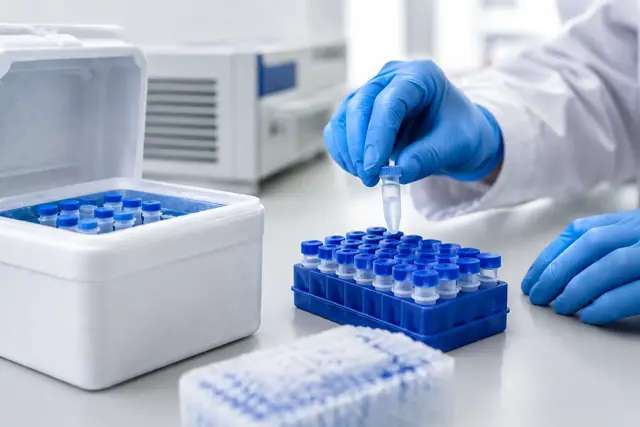
Learn how to store peptide samples for research use, with clear guidance on temperature, light, records, transport and certificate review for consistency.

Understand peptide purity versus identity, why HPLC alone is insufficient, and how batch documentation supports informed, reproducible research decisions.

Learn how to evaluate supplier transparency through batch records, third-party COAs, HPLC data, traceability and clear research-use records for studies.

Are research peptides regulated? Learn how UK, EU and international rules classify research materials, medicines, supplements and controlled substances.

COA versus chromatogram: learn what each quality record shows, how HPLC data is read, and why both matter when reviewing research materials carefully.

Research use only explained: understand RUO labels, certificates of analysis, purity data and the limits of peptide materials for laboratory research.
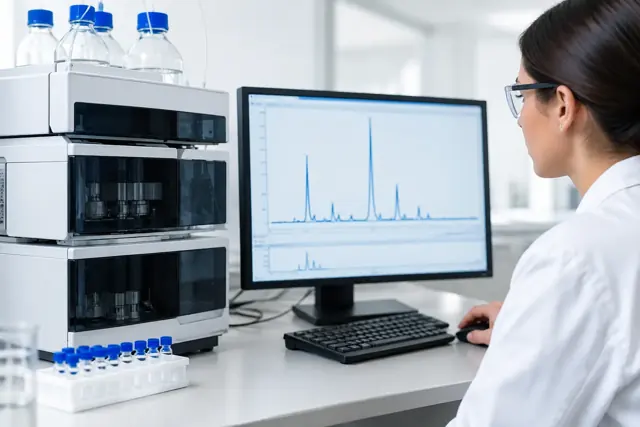
Can HPLC detect impurities in research peptides? Learn what purity chromatograms reveal, where the method has limits, and how to read a COA correctly.

How long peptide powders last depends on identity, purity, packaging and storage. Learn how to read batch records, expiry dates and handling conditions.

Learn how to verify peptide identity using molecular mass, HPLC, LC-MS and batch documentation, and understand what a certificate of analysis can show.

Peptide quality depends on identity, purity, handling and traceable batch records. Learn what HPLC data and certificates of analysis can, and cannot, show.

Peptide research explained: how to assess study design, analytical testing, certificates of analysis and the limits of preclinical evidence responsibly.

Learn to read HPLC chromatograms by assessing retention time, peak area, baseline quality and purity data in a research-use certificate of analysis reports.

Peptide testing helps researchers assess identity, purity and batch consistency. Learn how HPLC, MS and certificates of analysis can be read with care.

Peptide testing trends 2026 point towards clearer batch records, stronger analytical methods and better ways to read research-grade quality data with care.

Peptide blends vs single compounds differ in design, interpretability and quality control. Learn how to assess each in responsible research settings.

Metabolic peptide innovations: a research-focused look at appetite signalling, energy balance, receptor selectivity and documented peptide quality data.

Review Fuengirola peptide education options, from foundational molecular science to COAs, HPLC methods, and responsible research interpretation practices.

Longevity peptide market trends are shifting towards documentation, clearer research boundaries, analytical testing and careful interpretation of data.

A peptide education guide Marbella readers can use to assess research context, HPLC documentation, certificates of analysis and responsible material review.

Learn why batch numbers matter for peptide research: they connect each vial to testing records, traceability, storage review and reproducible research.
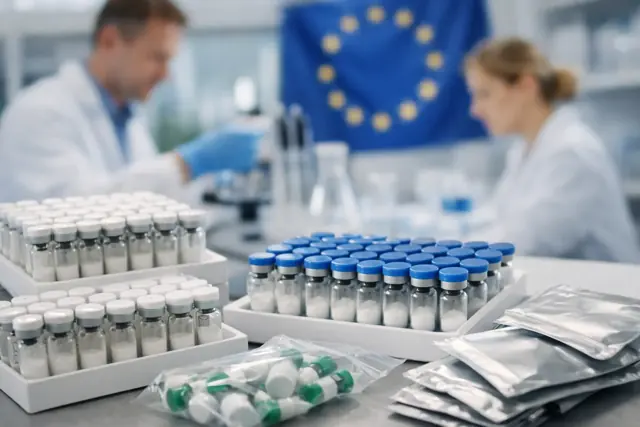
Research-led guidance on bulk peptide orders Europe: reviewing batch records, HPLC data, storage plans, fulfilment and responsible evaluation for study.

Use lab peptide review criteria to assess identity, purity, batch records, methods and handling information before interpreting research-use materials.

A clear look at metabolic health peptides, the signalling pathways studied, research limits, and why verified analytical documentation matters in research.

Review a GHK-Cu skin research example, from fibroblast studies to human data, with practical context on mechanisms, limits, and documentation.

Anti ageing peptides research examines cell signalling, collagen biology and study quality. Learn how to read evidence, limits and batch documentation.

English peptide support Marbella: understand batch documentation, HPLC testing, certificates of analysis and clear research-use information in Spain.

An English speaking peptide consultation clarifies research evidence, batch records, documentation and limits, supporting careful compound evaluation.
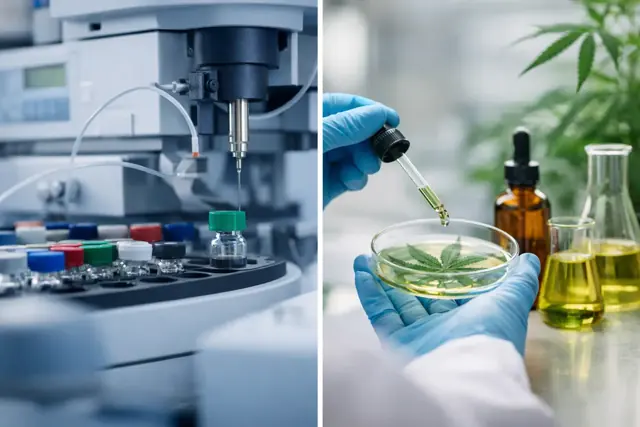
Understand HPLC vs COA testing for research peptides: what chromatograms, purity values and batch documents can show, and what they cannot confirm reliably.

A KPV peptide review covering its structure, preclinical evidence, study limits, and the documentation that supports careful research evaluation today.
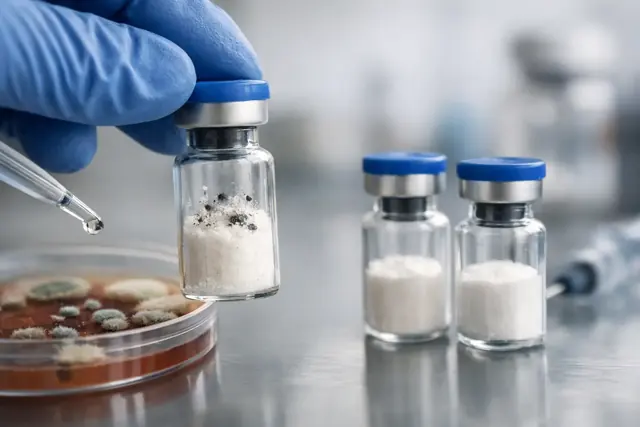
Learn how to identify peptide vial contamination through visual checks, handling records and independent laboratory confirmation for research-use materials.

Learn how to assess batch consistency through certificates of analysis, HPLC chromatograms, identity data, storage records and transparent documentation.

A research-led look at peptides for skin quality, covering signalling pathways, study limits and documentation for careful scientific evaluation today.

Can peptides degrade during shipping? Learn how temperature, time, light, moisture and packaging affect research material integrity in transit worldwide.

Are peptide certificates important? Understand how batch-specific COAs, HPLC purity data and identity testing support transparent, reproducible research.

Peptide market trends Europe are being shaped by research demand, documentation, regulation and supply-chain scrutiny across the UK and EU research.
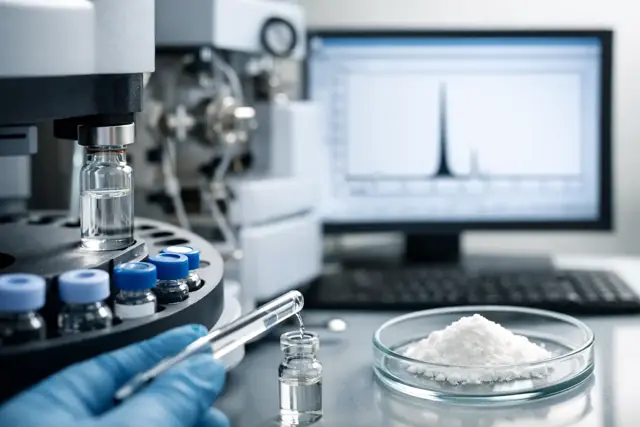
Can HPLC confirm peptide purity? Learn what chromatograms, peak area, method validation and complementary testing reveal about research peptide quality.

Costa del Sol peptides explained: learn how identity, purity, HPLC testing and certificates of analysis support careful research evaluation across Europe.

Learn how to understand peptide labels, including vial strength, batch numbers, storage notes and certificates of analysis for sound research evaluation.

A clear look at the peptide quality control process, from identity and purity testing to batch records, storage checks and independent data review for use.

Review GHK-Cu peptide examples, from cell culture and biomaterial models to analytical checks, with a focus on research design, purity and interpretation.

Understanding peptide certificate analysis helps researchers assess identity, purity, batch traceability and the limits of laboratory test documentation.

A guide to metabolic peptides: understand pathways, research evidence, analytical documentation and questions for careful evaluation in research settings.

Assess a research peptide supplier with practical checks for HPLC data, certificates of analysis, batch records, storage data and research-only standards.

A peptide research guide UK readers can use to assess evidence, batch records, HPLC results and research-use boundaries with greater clarity in practice.

Learn how to assess peptide supplier transparency through batch records, HPLC data, COAs, identity checks and clear research-use documentation standards.

Research peptides vs SARMs: compare structure, targets, evidence and quality documentation for a clearer, research-focused assessment of both categories.
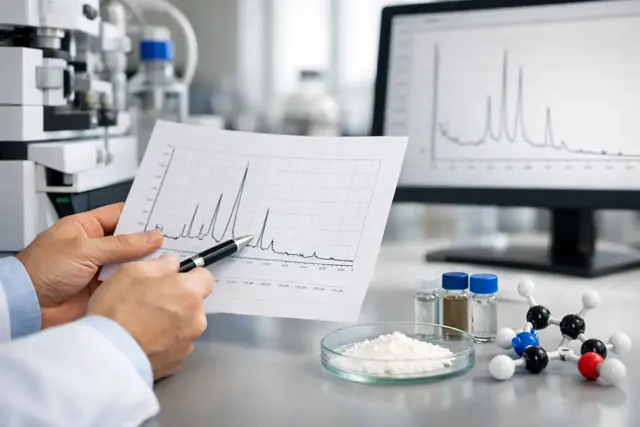
Learn how to read HPLC reports for peptide research, including retention time, peak area, chromatogram quality, certificates of analysis and limitations.

Research peptides vs steroids differ in structure, evidence, regulation and risks. See how research relevance and quality documentation are assessed.

GHK-Cu for hair research: examine the peptide’s biology, laboratory findings, study limits, and the documentation needed for reproducible work in labs.

An evidence-led GHK Cu peptide review covering molecular research, study limits, and the documentation to assess when evaluating research-only materials.

Performance support peptides attract interest in recovery and body-composition research. Learn how to assess mechanisms, evidence and batch documentation.

A clear guide to peptides for metabolic support, examining research pathways, study limits, and the quality documentation needed for sound evaluation work.

GHK Cu skin research examines collagen signalling, oxidative stress and gene expression. Learn what studies show, their limits and how to assess quality.

Research peptides Europe requires more than a product label. Learn how to assess batch records, HPLC data, identity and research-use documentation clearly.

Learn how to spot peptide red flags by reviewing batch records, HPLC data, labelling, storage and supplier transparency before a research decision is made.

What does peptide purity mean? Learn how HPLC results, related substances and batch certificates help researchers assess quality of research materials.

A clear review of BPC 157 research benefits, proposed mechanisms, evidence limits, and documentation that supports responsible careful laboratory studies.

Research peptides vs TRT: understand the differences in evidence, regulation, testing, and endocrine considerations before assessing research information.

Learn how to assess peptide documentation, from CoAs and HPLC data to batch details, purity claims, storage notes, and supplier transparency.

Are peptides legal UK? Learn how UK law treats peptides, research use, prescriptions, imports, labelling and supplier documentation standards.
Learn how to choose peptides for beginners with a research-led approach to purity, documentation, peptide classes, and quality checks.

BPC-157 research overview covering mechanisms, animal data, limitations, and why purity, batch documentation, and study design matter in research.
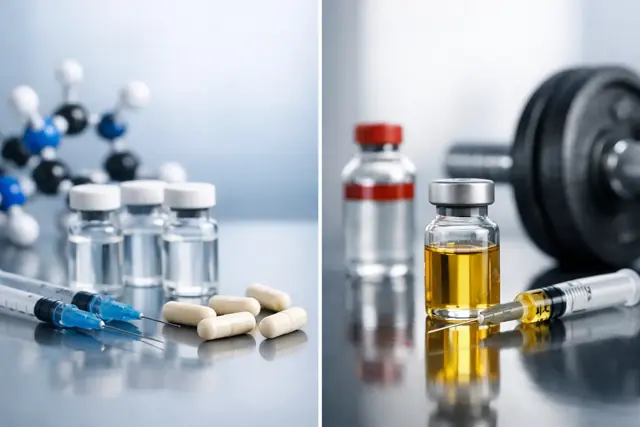
A clear peptides vs TRT comparison covering mechanisms, research focus, monitoring needs, limitations, and key differences in endocrine context.

Research peptides guide UK readers can use to assess quality, documentation, HPLC testing, legality, storage, and supplier transparency.

Use this peptide supplier checklist to assess documentation, purity testing, shipping standards, and research transparency before choosing a source.

Avoid the top peptide buying mistakes with a research-led checklist covering COAs, HPLC purity, storage, vendor transparency, and lab standards.

Learn how to choose peptide supplier options by checking purity data, batch records, testing methods, shipping standards and documentation quality.
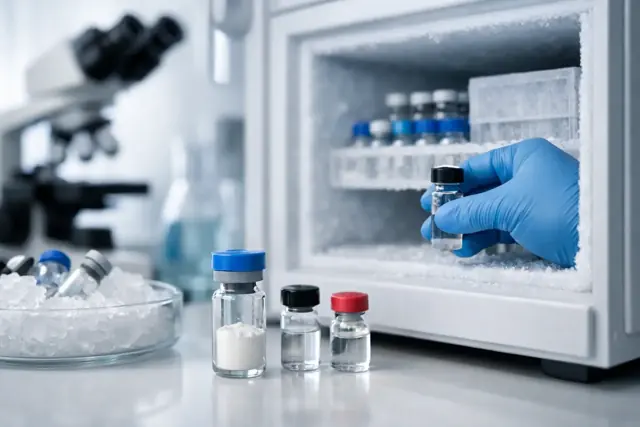
Learn how to store research peptides correctly, from temperature and light exposure to reconstitution, handling and documentation practices.

A clear guide to peptides for healthy ageing, covering research context, biological pathways, quality standards and realistic limits of current data.

Peptide education for beginners explained clearly - learn what peptides are, how research works, and what quality documents matter most.

A clear look at peptide science trends shaping research, from stability and targeting to quality control, purity data and reproducible lab standards.

A clear guide to the best peptides for skin support, covering mechanisms, research context, formulation factors, and what to assess before use.

A clear bpc 157 review guide covering mechanisms, evidence, limits, purity checks and how to assess research-grade documentation responsibly.

What do peptides do in the body? Learn how these short amino acid chains support signalling, structure, and research into complex biology.

A beginner guide to peptides covering what they are, how peptide research works, key categories, quality documents, and what careful evaluation involves.

Peptides vs steroids explained clearly: how they differ in structure, signalling, research use, risk profile, and why the comparison is often oversimplified.

Peptides vs SARMs difference explained clearly - mechanisms, research uses, risks, regulation, and how to assess compound documentation responsibly.

Peptide supplier vs pharmacy explained clearly - compare sourcing, testing, documentation, regulation, and research context before you evaluate either route.

A clear peptide shipping guide Europe researchers can use to assess customs, packaging, documentation, transit risks and supplier standards.

A peptide stacking guide for beginners covering research logic, compound pairing, documentation, timing, and quality checks for informed evaluation.

International peptide ordering guide for reviewing documentation, shipping variables, customs risk, and research-grade quality standards abroad.

Learn how peptide science works, from amino acid chains to receptor signalling, lab testing, purity data, and why research context matters.

Learn which peptide support suits recovery best by comparing research mechanisms, tissue focus, quality checks and context for informed evaluation.

Domestic vs international peptide shipping affects speed, customs, documentation and handling. Understand the trade-offs before placing research orders.

A bulk peptide ordering guide for researchers covering batch documentation, HPLC testing, storage, shipping and supplier checks before larger orders.

A clear muscle growth peptides guide covering mechanisms, research categories, quality checks, and how to assess peptide data responsibly.

A clear guide to peptides for hormone optimisation, covering endocrine pathways, research context, quality standards, and key points for careful evaluation.

A clear expat peptide support example covering documentation, shipping, language support and research standards for UK and EU-based enquiries.

Peptides for longevity support explained with a research-led look at mechanisms, evidence quality, compound categories, and lab documentation standards.

Review the best documents before ordering peptides, from COAs to HPLC data, labels and batch records, so you can assess research quality clearly.
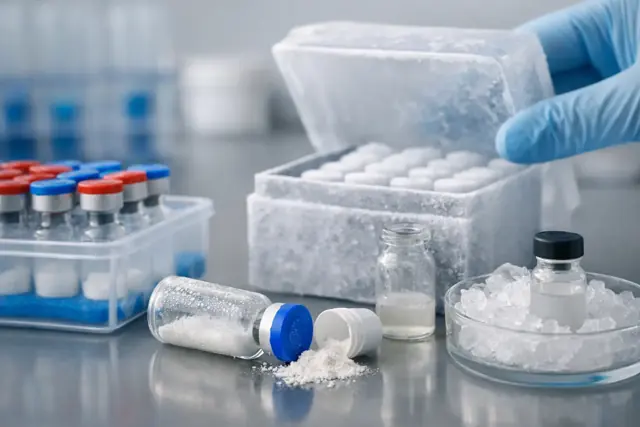
Learn the top peptide storage mistakes that reduce stability, purity and research reliability, plus how to handle peptide materials more carefully.

Learn how a premium peptide sourcing process works, from raw material review to HPLC testing, batch records, CoA checks and research-grade quality control.

Which peptides support sleep research? A clear look at the compounds, mechanisms, limits, and quality markers researchers review before selection.
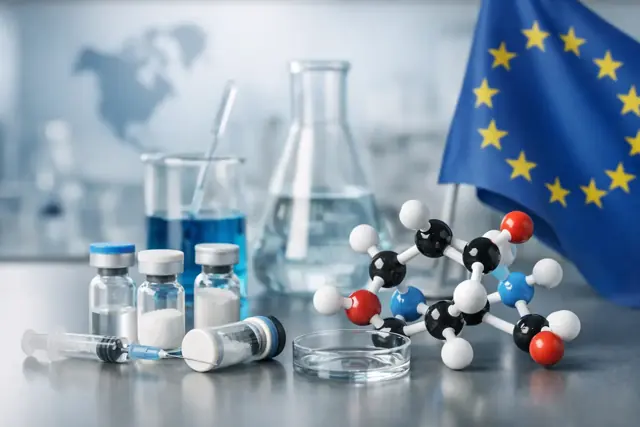
Best peptide suppliers Europe - learn how to assess purity, HPLC testing, COAs, shipping, support and supplier standards before ordering.

Discreet peptide packaging explained clearly - what it means, how it protects privacy, and what to expect from secure, compliant peptide fulfilment.

Explore the best peptides for body recomposition, including GH secretagogues and metabolic compounds, with a balanced, research-led view.

The future of longevity peptides depends on better research, cleaner sourcing, and realistic expectations around ageing, recovery, and metabolic health.

Marbella peptide consultation guide for adults researching quality standards, testing, screening, privacy, and informed peptide discussions in Spain.
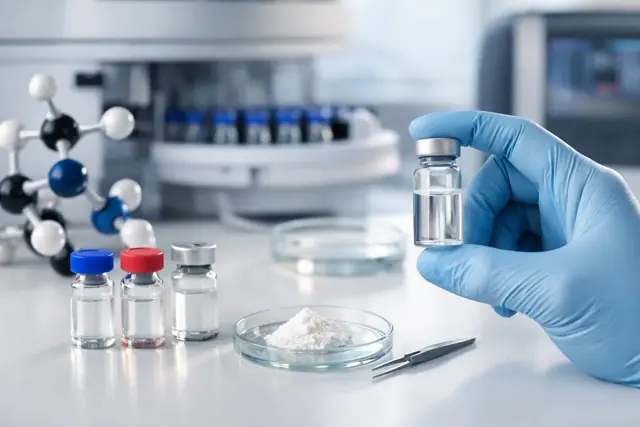
Learn the best peptide quality markers to assess purity, identity, sterility, and documentation before choosing any research-grade peptide source.

Can peptides be shipped internationally? Learn how customs, documentation, carrier rules and local law affect cross-border peptide delivery.
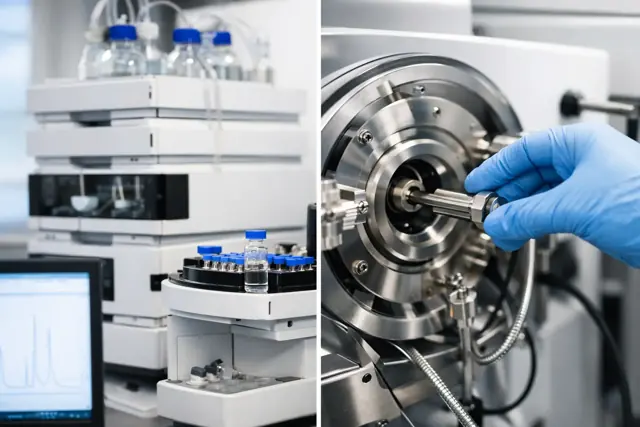
HPLC testing vs mass spectrometry explained clearly - how each method measures purity, identity and impurities in research peptides and labs.
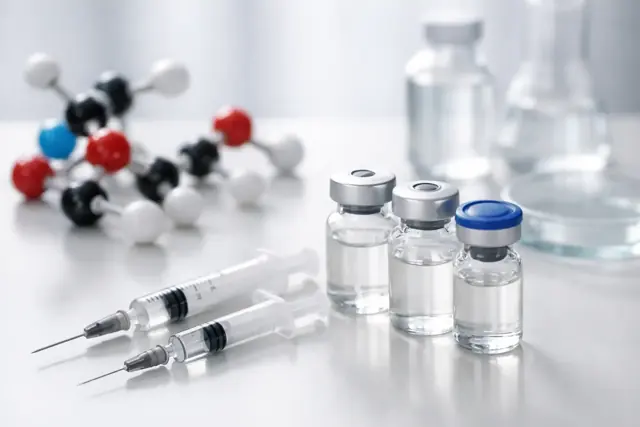
Metabolic peptide options explained clearly - understand mechanisms, trade-offs, research categories and what to assess before choosing compounds.
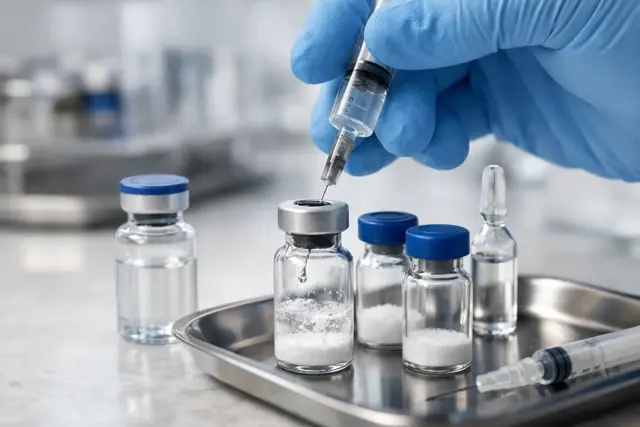
Learn how to reconstitute peptide vials properly with clear, research-focused guidance on dilution, handling, storage, and common mistakes.

Learn how to compare peptide vendors by checking HPLC purity, COAs, batch testing, shipping, support and research-grade quality standards.

Learn the top signs of peptide scams, from fake COAs to poor purity claims, so you can assess suppliers with more confidence and avoid costly risks.

Research peptide buyer guide for choosing lab-tested compounds with HPLC data, COAs, discreet shipping, and reliable supplier support.

Learn how to verify peptide purity using HPLC data, COAs, batch testing and supplier checks, so you can assess research-grade quality with confidence.

Learn how to read peptide coa reports properly, from HPLC purity to batch data, so you can assess research-grade quality with confidence.

Peptides for muscle recovery can support repair, reduce downtime and improve training output. Learn the science, options and quality markers.

Peptides for fat loss research explained with mechanisms, key compounds, dosing context, quality standards, and what serious buyers should verify first.

Book a peptide consultation Costa del Sol clients trust for expert guidance, verified purity, HPLC-tested compounds and discreet support in Spain.

Peptide therapy Marbella clients can trust with research-grade quality, HPLC testing, discreet shipping and informed guidance for better outcomes.

Looking to buy peptides Spain buyers can trust? Learn how to assess purity, HPLC testing, shipping, documentation, and supplier standards.

Buy peptides UK with more confidence. Learn what to check on purity, HPLC testing, COAs, shipping, support and supplier standards first.

Research peptides with discreet shipping should pair privacy with HPLC-tested purity, COAs and reliable fulfilment for serious buyers.

Learn how to buy research peptides online safely, with HPLC testing, COAs, discreet shipping and quality checks that protect serious buyers.

Learn how to assess a research grade peptide supplier by purity, HPLC testing, documentation, shipping, support and quality control standards.

Learn what hplc tested peptides really mean, how HPLC purity is verified, and what to check before buying research-grade compounds.

Understand a research peptides certificate of analysis, what it shows, how to read HPLC purity data, and how to verify research-grade quality.

Learn why lab tested research peptides matter, how HPLC testing, purity data and certificates of analysis help buyers assess quality and trust.

Are research peptides safe to use? Learn what purity, dosing, storage and supplier testing mean for risk, quality and informed peptide decisions.

What are research peptides? Learn how they work, why purity matters, and what to check before buying research-grade peptide compounds.
Your research order
Compare listed sizes and prices, make your own selection, then review your order before paying. Laboratory research only; not for human consumption.
Choose your own items
Nothing added automatically
Card or bank transfer
Total shown before payment
Tracked delivery
5–11 working days from active tracking