
·Educational reference
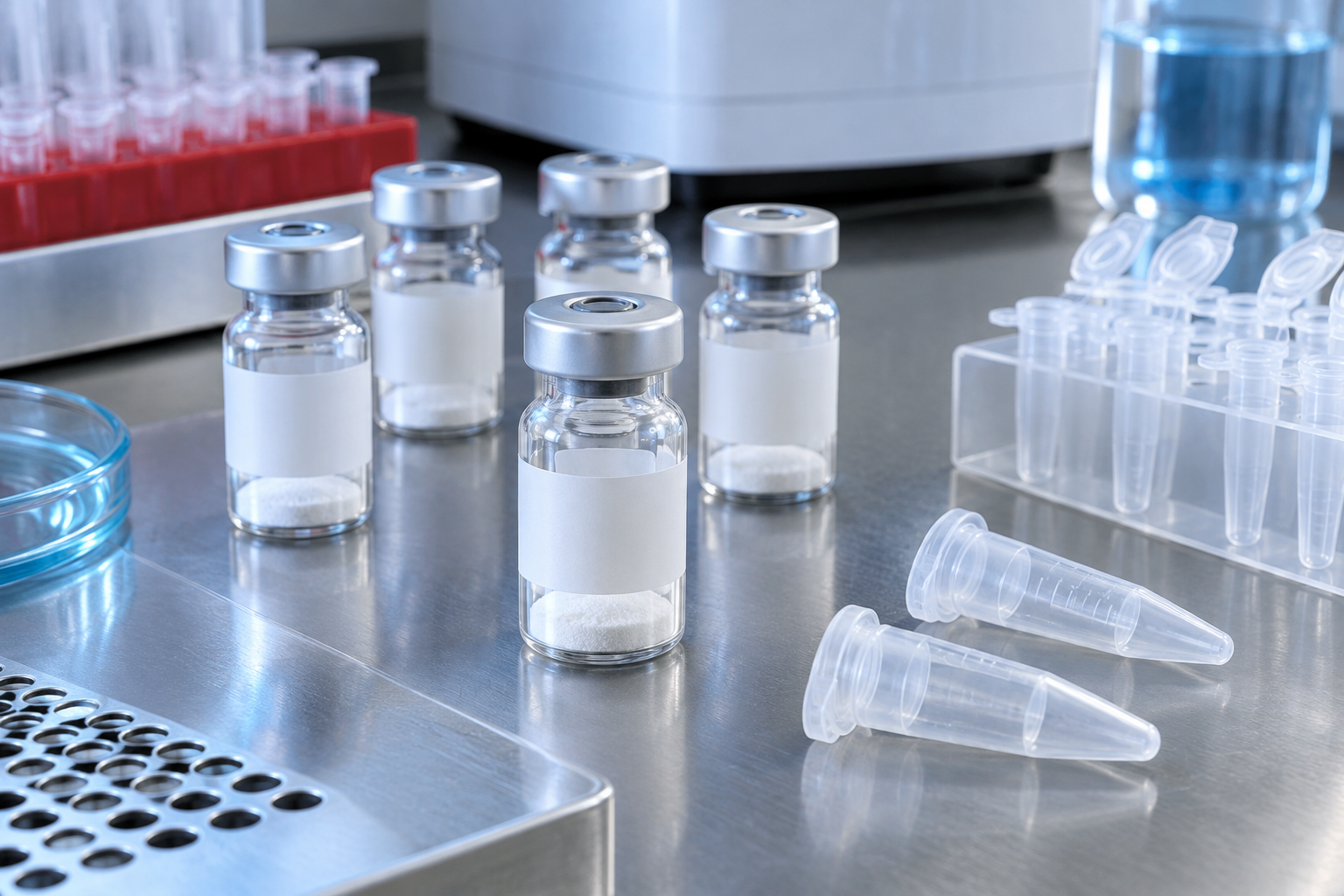
As metabolic research advances, dual-receptor agonists have emerged as primary subjects of investigation across molecular biology laboratories worldwide. Among these, Mazdutide has generated significant academic interest due to its distinct, balanced pharmacology. By simultaneously targeting both the glucagon-like peptide-1 receptor (GLP-1R) and the glucagon receptor (GCGR), this engineered peptide offers unique avenues for studying hepatic lipid handling, energy expenditure pathways, and glucose homeostasis. Below, we address the most common technical questions investigators ask regarding this multifaceted peptide.
What Is Mazdutide and What Is Its Target Affinity?
Mazdutide is a synthetic dual co-agonist designed to replicate the complementary signaling pathways of mammalian incretins and counter-regulatory hormones. Specifically, published studies examined its ability to engage both GLP-1R and GCGR with calibrated receptor-activation profiles. Unlike pure GLP-1 single-target agonists, the incorporation of glucagon receptor engagement introduces direct hepatic metabolic signaling.
In experimental settings, this dual mechanism differentiates it from single incretin analogs or novel amylin mimetics such as ELO. Researchers frequently explore whether co-agonism creates synergy, investigating how activation of GLP-1 pathways modulates insulin secretion while concurrent glucagon pathway activation upregulates mitochondrial beta-oxidation and energy turnover in vitro.
How Does Mazdutide Behave in Preclinical Metabolic Models?
Preclinical metabolic investigations consistently highlight the divergent, complementary roles of GCGR and GLP-1R activation. In research models, engagement of the GLP-1 receptor has been shown to downregulate appetite signals and stabilize glucose profiles via incretin-dependent signaling cascades. Concurrently, activation of GCGR within primary hepatocyte assays promotes fatty acid oxidation, enhances cellular thermogenesis, and influences glycogen turnover.
Published studies examined whether this combined activity prevents the hepatic lipid accumulation frequently observed in high-fat dietary models. Also, researchers investigating cell growth, muscle preservation, and somatic axis dynamics often run parallel comparative trials alongside secretagogues like ipamorelin or truncated factors such as IGF-1 DES to map out downstream nutrient partitioning and lean tissue maintenance under caloric-deficit conditions.
What Reconstitution and Solvent Conditions Are Optimal?
Proper handling of high-affinity synthetic peptides is essential for maintaining conformational integrity and assay reproducibility. When preparing lyophilized Mazdutide, researchers must consider the isoelectric point and hydrophobicity profile of the specific amino acid sequence.

- Standard Dilution: In many analytical assays, reconstitution using high-purity bacteriostatic water or sterile buffered saline provides an adequate aqueous medium for initial working stock solutions.
- Acidic Solubilization: For certain concentrated solutions or peptides with prone-to-aggregate hydrophobic sequences, mild acidic shifts may be necessary to ensure complete dissolution. In such specialized workflows, utilizing an Acetic Acid Kit allows researchers to achieve stable solvation without disrupting tertiary structural parameters.
- Aliquoting and Storage: Once reconstituted, repeated freeze-thaw cycles must be strictly avoided. Working aliquots should be sealed in low-binding microcentrifuge tubes and stored at -20°C to -80°C depending on the planned assay timeline.
How Does Mazdutide Fit into Broader Neuroendocrine Investigations?
While metabolic and lipid pathways dominate modern literature, endocrine signaling rarely exists in isolation. Academic laboratories increasingly evaluate the cross-talk between metabolic signaling peptides and the hypothalamic-pituitary-gonadal (HPG) axis. For instance, investigative protocols examining energy availability and reproductive hormone suppression often analyze incretin agonists in tandem with compounds like HCG to track downstream steroidogenesis, gonadotropin receptor responsiveness, and metabolic adaptation under fluctuating nutritional cues.
What Verification Steps Ensure Peptide Quality and Purity?
Because minor variations in peptide synthesis—such as incomplete deprotection or truncation during solid-phase peptide synthesis—can distort binding kinetics, stringent analytical verification is non-negotiable. Investigators must rely on high-performance liquid chromatography (HPLC) to establish chemical purity and mass spectrometry (MS) to verify the exact molecular mass. You can perform an independent verification of batch-specific data anytime via our lab report (COA) search portal.
Procure Verified Mazdutide for Your Laboratory
Bio Mech Peptides provides analytical-grade compounds formulated specifically to meet the exacting standards of institutional and independent laboratories. Whether your team requires reliable transit to source research peptides delivered to San Jose or needs high-integrity logistics to receive research peptides delivered to Plymouth, our supply network spans the United States, the United Kingdom, Spain, and Europe. Explore our complete offering by reviewing our full research peptide catalogue or order your laboratory supply of Mazdutide today to support your ongoing metabolic investigations.
Want to take this further in the lab? You can see delivery details for research peptides in European Union / Spain. All products are for laboratory research use only.
All compounds mentioned are intended strictly for in vitro and laboratory research use only, not for human consumption.
Know someone who does lab research? Send them this page and earn a 3–30% affiliate commission based on your monthly referred sales.
Share & earn
Your personal share link
Post this link on your social media. Anyone you refer who places a paid order earns you a single-use 20% discount code through our referral program — it cannot be combined with another discount that is already active.
https://biomechpeptides.comA fresh code is generated every time this page loads, so each share is tracked separately.
Research disclaimer
This article is published for educational and scientific information purposes only. It does not constitute medical, veterinary, pharmaceutical, or professional advice and should not be used to diagnose, treat, cure, or prevent any condition. Bio Mech Peptides sells laboratory research materials only. Nothing on this site is a medicine, supplement, food or cosmetic, and nothing is sold for use in people or animals, whether to diagnose, treat or otherwise.
Related on Bio Mech Peptides
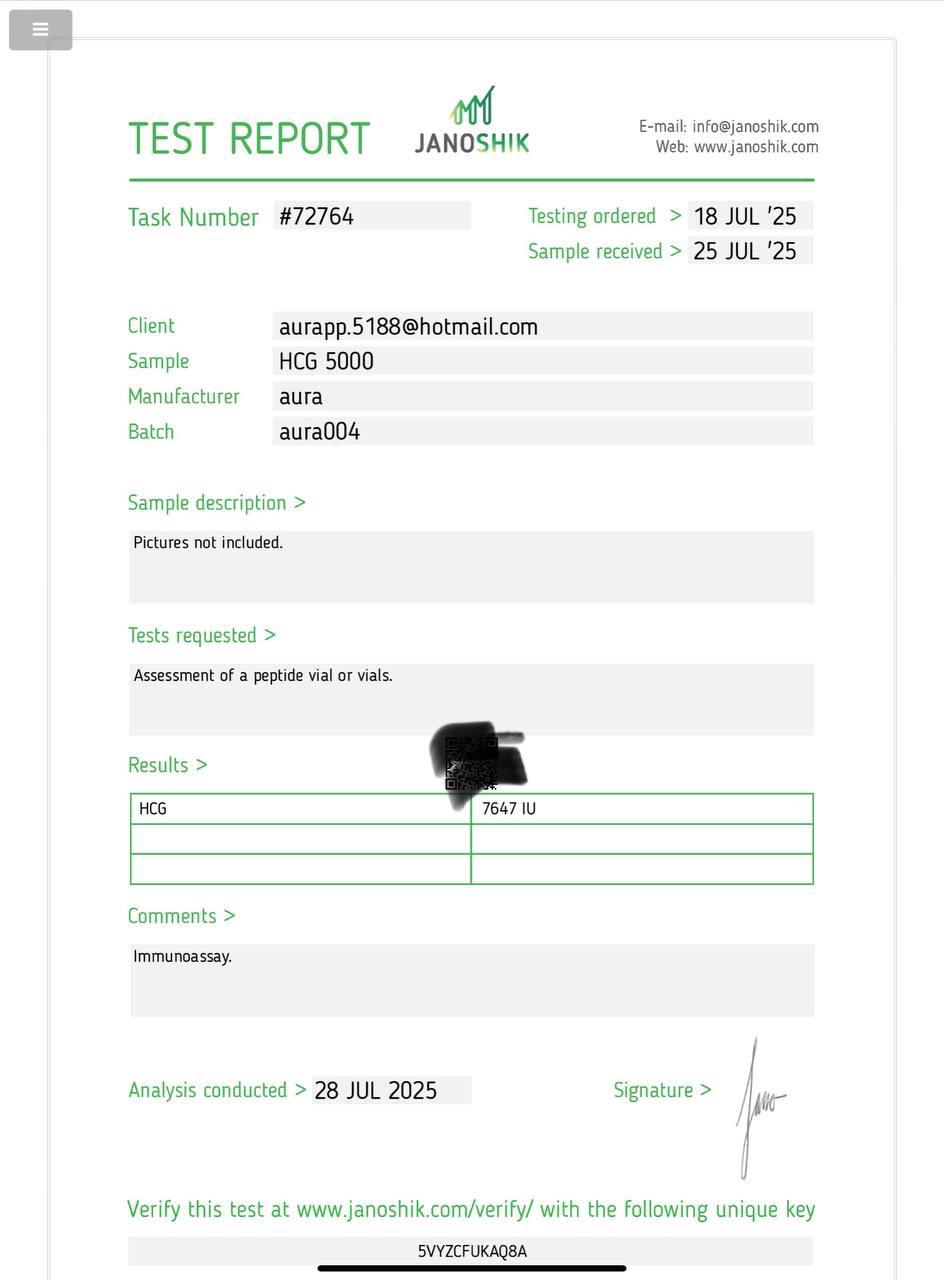
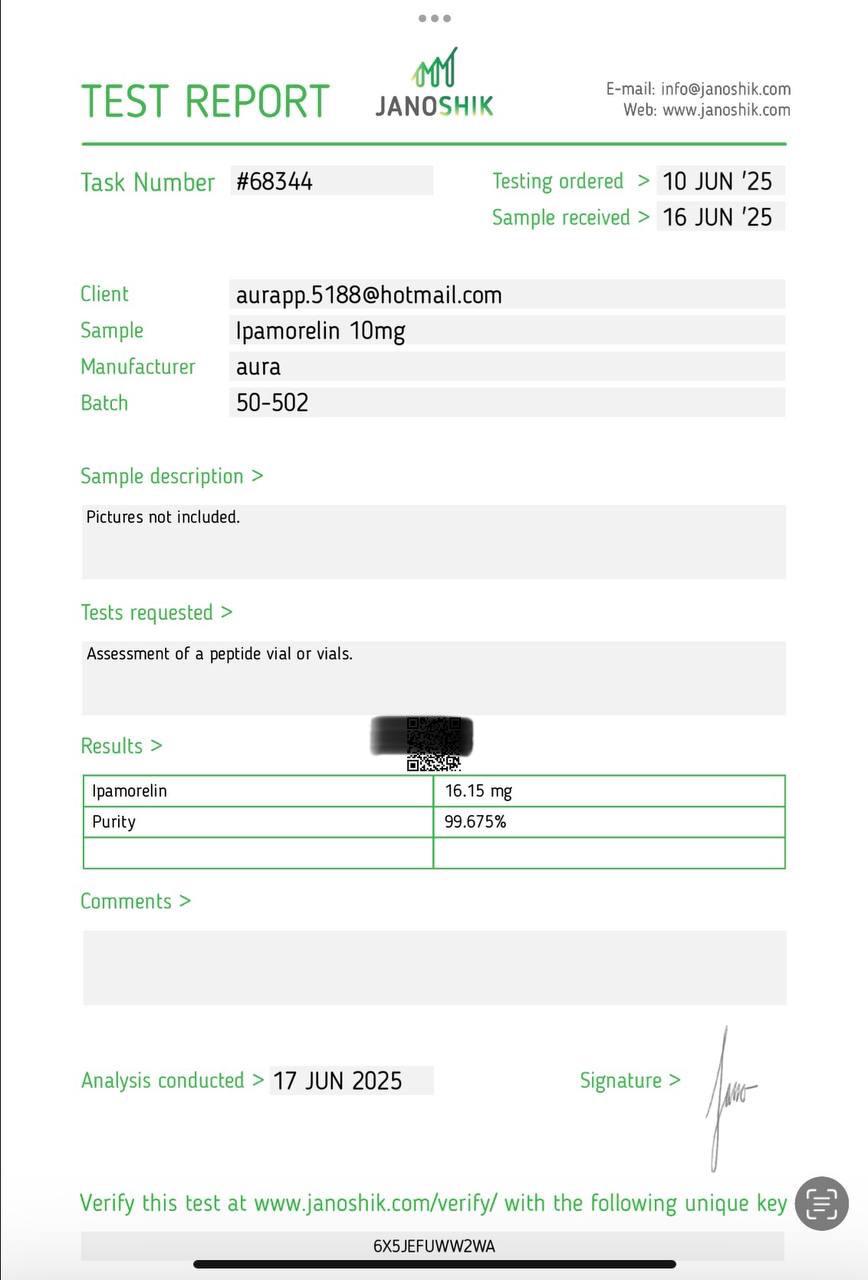
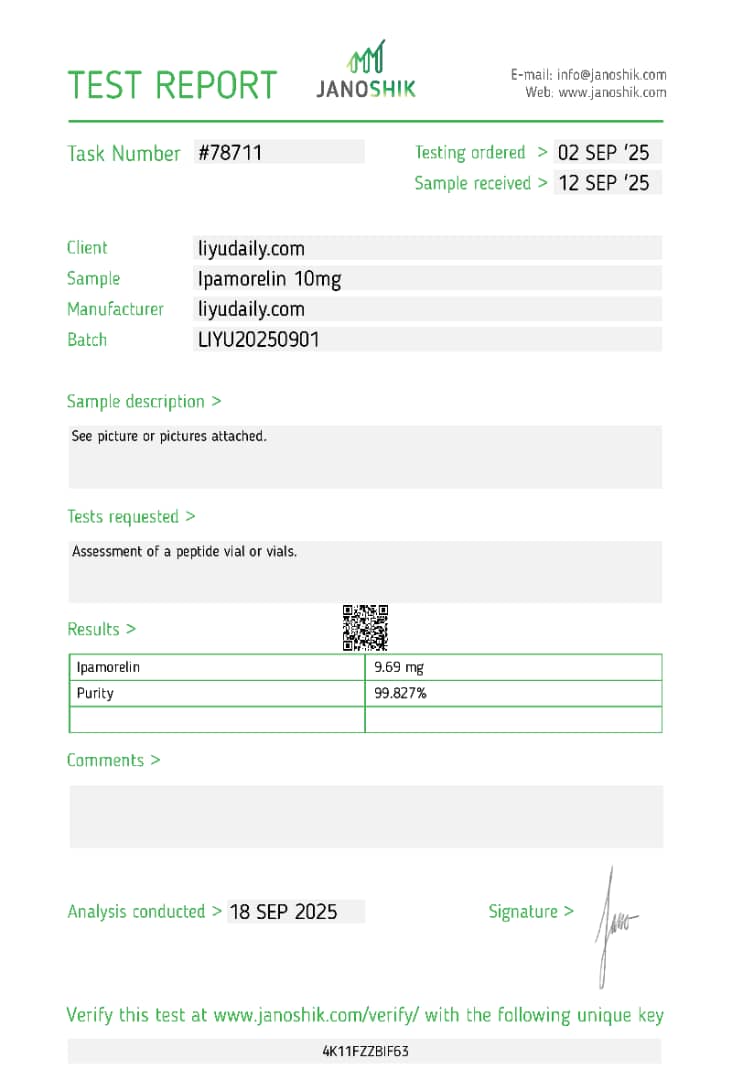
Related analytical reports
These saved Janoshik reports describe their named samples, suppliers and production lots, not automatically current stock. Confirm both supplier and batch before relying on a report.
Popular research topics & products
Research topics
Popular products
Regional logistics
Compounds discussed in this article
Mazdutide
In stock
Ipamorelin
In stock
View cart · For in-vitro research use only.
Reconstitution supplies (optional)
Sold separately and never added automatically. Solvent choice depends on the compound — check its COA or handling sheet before choosing.
Not sure which peptide fits your research question?
Take the 60-second Find Your Peptides quiz — it points you to the most relevant reference compounds for your area of investigation.
Start the quizMore in Research Journal
2026-05-22
BPC-157 in Tissue-Repair Research: What the Literature Shows
2026-07-18
BPC-157 vs TB-500: A Comparative Research Guide
2026-05-06
Cagrilintide: Long-Acting Amylin Analogue in Metabolic Research
2026-05-15
Epitalon: The Pineal Peptide in Longevity Research
2026-05-17
GHK-Cu: The Copper Peptide in Cosmetic and Skin-Biology Research
2026-07-15