
Regenerative Research
BPC-157 vs TB-500: A Comparative Research Guide
·Educational reference
BPC-157 (Body Protection Compound-157) and TB-500 (a synthetic fragment of Thymosin Beta-4) are the two most frequently paired reference peptides in regenerative research. Although both appear in tissue-repair literature, their molecular targets and pharmacokinetics differ enough that comparative studies routinely include them side by side rather than interchangeably.
BPC-157 is a 15-amino-acid pentadecapeptide derived from a protective sequence in human gastric juice. Published rodent studies describe interactions with the nitric-oxide (NO) system, upregulation of growth-hormone receptor expression in fibroblasts, and modulation of VEGFR2 signalling — pathways implicated in angiogenesis and epithelial recovery. TB-500 corresponds to the active fragment (residues 17-23) of Thymosin Beta-4, a 43-amino-acid actin-binding peptide. Its principal characterised action is actin sequestration, which supports cell migration and cytoskeletal remodelling in fibroblast and endothelial models.
Half-life is a common comparison point. Both are stable as lyophilised reference material and are typically reconstituted in bacteriostatic water for laboratory preparation.
In comparative in-vitro tissue-repair models, BPC-157 tends to show earlier effects on angiogenic markers and NO-dependent vasodilation, while TB-500 shows stronger effects on cell-migration endpoints and actin polymerisation. A subset of the literature explores whether these mechanisms are additive when the two are co-incubated in fibroblast wound-closure assays.
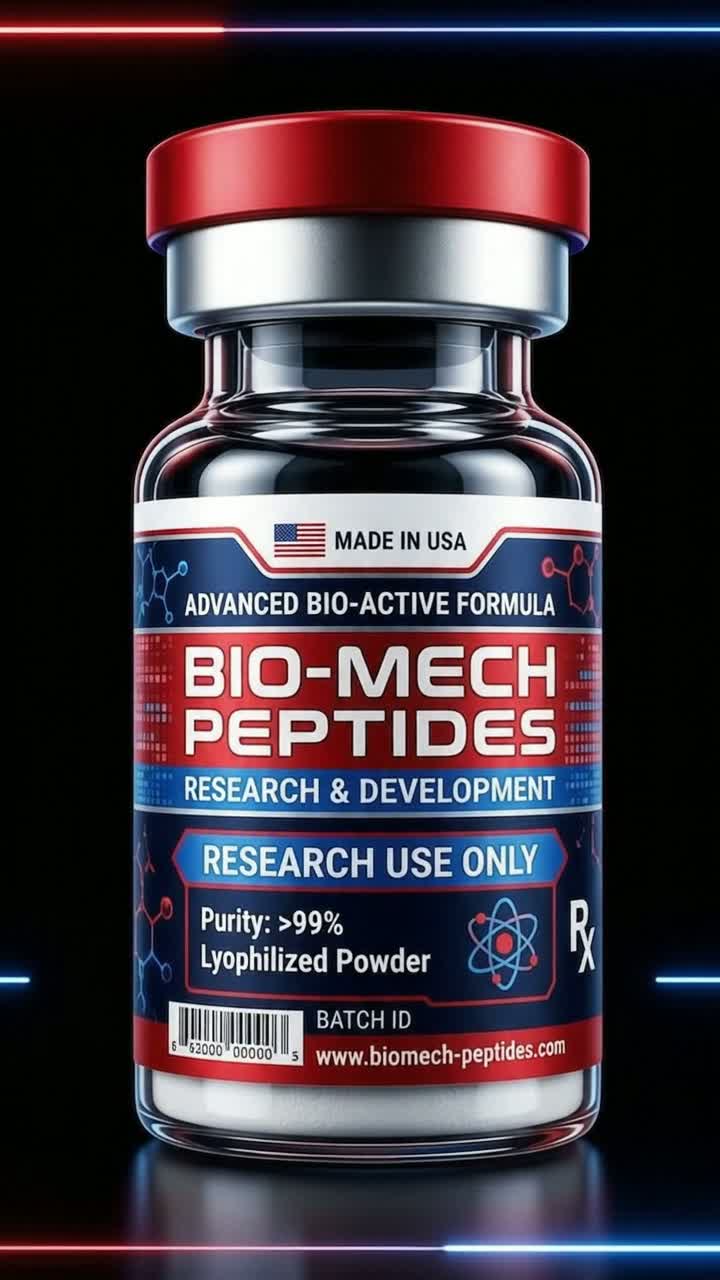
Practical considerations for laboratories running comparative work include batch-matched HPLC purity (target ≥99%), mass-spectrometric identity confirmation, and consistent solvent conditions across arms of the study. Cold-chain shipping and −20 °C storage of lyophilised material remain standard for both.
This article is an educational overview for laboratory researchers evaluating reference peptides for tissue-repair models; it is not clinical guidance and does not describe human use.
Know someone who does lab research? Send them this page and earn a 3–30% affiliate commission based on your monthly referred sales.
Compounds discussed in this article
BPC-157
In stock
TB-500 (Thymosin Beta-4)
In stock
View cart · For in-vitro research use only.
Reconstitution supplies (optional)
Sold separately and never added automatically. Solvent choice depends on the compound — check its COA or handling sheet before choosing.
Not sure which peptide fits your research question?
Take the 60-second Find Your Peptides quiz — it points you to the most relevant reference compounds for your area of investigation.
Start the quizMore in Regenerative Research
2026-07-17
Peptide Reconstitution: A Laboratory Reconstitution Guide
2026-07-16
HPLC ≥99% Purity: What the Number Actually Means
2026-07-14
Cold-Chain Storage for Research Peptides: A Practical Bench Guide
2026-05-06
Cagrilintide: Long-Acting Amylin Analogue in Metabolic Research
2026-05-15
Epitalon: The Pineal Peptide in Longevity Research
2026-07-15