
·Educational reference
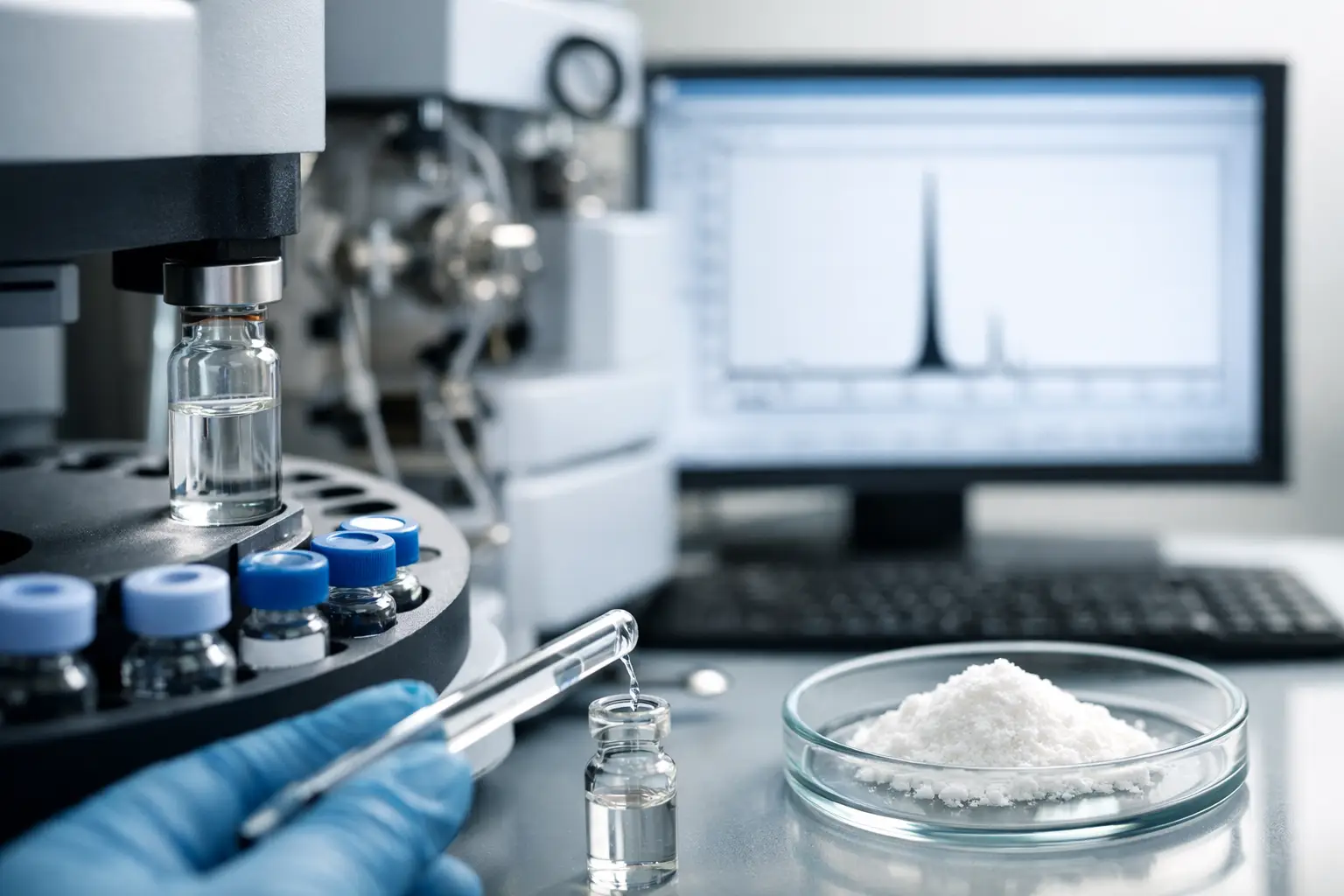
Thymosin Alpha-1 (TA1) is a synthetically produced 28-amino acidpeptide. Initially isolated from thymosin fraction 5, its structure and biological activities have been extensively investigated in various research models. TA1 is primarily recognized for its role in modulating the immune system, particularly its influence on T-cell function and cytokine balance. This article provides an educational overview of TA1's mechanistic actions in immune signalling.
## The Thymus and T-Cell Maturation
The thymus gland is a primary lymphoid organ critical for the development and maturation of T-lymphocytes. Within the thymus, progenitor cells undergo a complex differentiation process, acquiring specific T-cell receptors (TCRs) and becoming either CD4+ helper T cells or CD8+ cytotoxic T cells. Thymic peptides, including members of the thymosin family, are believed to play a role in this maturational process. Literature suggests that TA1 may influence the differentiation of thymocytes, promoting their maturation and egress from the thymus into peripheral circulation.
## Immunomodulatory Mechanisms of Thymosin Alpha-1
Research indicates that TA1 exerts its immunomodulatory effects through several pathways. One significant mechanism involves its reported ability to enhance the expression of major histocompatibility complex (MHC) class I antigens on various cell types. This enhancement can facilitate antigen presentation, a important step in initiating adaptive immune responses. Also, TA1 has been observed to modulate the production and secretion of specific cytokines. Studies in research models have shown that TA1 can influence the balance between type 1 helper T (Th1) and type 2 helper T (Th2) cytokine responses. Specifically, TA1 is often associated with promoting Th1-type responses, characterized by the production of interferon-gamma (IFN-γ) and interleukin-2 (IL-2), which are critical for cell-mediated immunity.
## Effects on Dendritic Cells and Antigen Presentation
Dendritic cells (DCs) are professional antigen-presenting cells (APCs) that bridge innate and adaptive immunity. They play a central role in capturing, processing, and presenting antigens to T cells, thereby initiating primary immune responses. Research suggests that TA1 may influence DC maturation and function. In some research models, TA1 has been shown to enhance the maturation of DCs, leading to increased expression of co-stimulatory molecules (e.g., CD80, CD86) and MHC class II molecules. This enhancement in DC function could lead to more solid T-cell activation and subsequent immune responses.
## Role in Toll-Like Receptor Signalling
Toll-like receptors (TLRs) are a family of pattern recognition receptors that recognize conserved pathogen-associated molecular patterns (PAMPs) and danger-associated molecular patterns (DAMPs). Activation of TLRs triggers innate immune responses and also shapes adaptive immunity. Emerging literature explores the potential interplay between TA1 and TLR signalling pathways. Some studies suggest that TA1 may modulate TLR signalling, influencing downstream inflammatory responses and cytokine production. For instance, TA1 has been investigated for its potential to alter the expression or activity of specific TLRs or their downstream signalling components, thereby modifying the cellular response to microbial challenges in research settings.
## Peptide Storage Guide Considerations
For researchers working with peptides like Thymosin Alpha-1, proper storage is paramount to maintaining structural integrity and biological activity. Lyophilized (freeze-dried) peptides should typically be stored at -20°C or colder to ensure stability over extended periods. Once reconstituted with sterile water or an appropriate solvent, peptide solutions are generally less stable. Reconstituted peptides should ideally be aliquoted into smaller volumes to minimize freeze-thaw cycles and stored refrigerated (2-8°C) for short-term use or at -20°C or colder for longer-term storage. Always refer to the manufacturer's specific recommendations for a given peptide lot, as optimal storage conditions can vary based on purity, counter-ion, and excipients. Adherence to these guidelines is important for credible research outcomes when studying peptides like TA1.
Educational reference only. These compounds are for *in-vitro* research only.
Know someone who does lab research? Send them this page and earn a 3–30% affiliate commission based on your monthly referred sales.
Share & earn
Your personal share link
Post this link on your social media. Anyone you refer who places a paid order earns you a single-use 20% discount code through our referral program — it cannot be combined with another discount that is already active.
https://biomechpeptides.comA fresh code is generated every time this page loads, so each share is tracked separately.
Research disclaimer
This article is published for educational and scientific information purposes only. It does not constitute medical, veterinary, pharmaceutical, or professional advice and should not be used to diagnose, treat, cure, or prevent any condition. Bio Mech Peptides sells laboratory research materials only. Nothing on this site is a medicine, supplement, food or cosmetic, and nothing is sold for use in people or animals, whether to diagnose, treat or otherwise.
Related on Bio Mech Peptides
Popular research topics & products
Research topics
Popular products
Regional logistics
Compound discussed in this article
Thymosin Alpha-1
In stock
View cart · For in-vitro research use only.
Reconstitution supplies (optional)
Sold separately and never added automatically. Solvent choice depends on the compound — check its COA or handling sheet before choosing.
Not sure which peptide fits your research question?
Take the 60-second Find Your Peptides quiz — it points you to the most relevant reference compounds for your area of investigation.
Start the quizMore in Research Journal
2026-05-22
BPC-157 in Tissue-Repair Research: What the Literature Shows
2026-07-18
BPC-157 vs TB-500: A Comparative Research Guide
2026-05-06
Cagrilintide: Long-Acting Amylin Analogue in Metabolic Research
2026-05-15
Epitalon: The Pineal Peptide in Longevity Research
2026-05-17
GHK-Cu: The Copper Peptide in Cosmetic and Skin-Biology Research
2026-07-15