
·Educational reference

Mitochondrial peptides represent a fascinating and evolving area of biochemical research, particularly due to their integral roles in cellular energy production, metabolism, and stress response pathways. Among these, SS-31 (elamipretide) and MOTS-c have garnered significant attention from the scientific community. This article will delineate the current understanding of these peptides, as documented in the research literature.
## SS-31 (Elamipretide): A Mitochondria-Targeted Peptide
SS-31, also known as elamipretide, is a synthetic tetrapeptide designed to selectively target the inner mitochondrial membrane. Its primary mechanism of action is understood to involve its interaction with cardiolipin, a unique phospholipid important for mitochondrial membrane integrity, electron transport chain (ETC) function, and ATP synthesis. By associating with cardiolipin, SS-31 is believed to stabilize the inner mitochondrial membrane, thus preserving its potential and preventing the release of pro-apoptotic factors.
Literature suggests that SS-31 may improve mitochondrial respiration and reduce oxidative stress. In various *in vitro* and *in vivo* models of mitochondrial dysfunction, SS-31 has been observed to enhance ATP production and maintain mitochondrial morphology. For instance, studies in models of ischemia-reperfusion injury have indicated that SS-31 can mitigate mitochondrial damage and preserve cellular function. Also, research has explored its potential roles in neurodegenerative conditions and kidney injury models, where preserving mitochondrial health is paramount.
## MOTS-c: A Mitochondria-Derived Peptide
MOTS-c (mitochondrial open reading frame of the 12S rRNA type-c) is a 16-amino acid peptide encoded by a small open reading frame within the mitochondrial genome. Unlike SS-31, MOTS-c is an endogenously produced peptide, categorized as a mitochondrial-derived peptide (MDP). Its primary function, as elucidated in research models, appears to be related to the regulation of metabolic homeostasis.
Research indicates that MOTS-c can influence insulin sensitivity and regulate glucose metabolism, primarily by acting on skeletal muscle. Studies have shown that MOTS-c may enhance glucose uptake in muscle cells and improve insulin sensitivity in diet-induced obesity models. Its mechanism is thought to involve the activation of the AMP-activated protein kinase (AMPK) pathway, a critical energy sensor within cells. Activation of AMPK typically leads to increased glucose uptake and fatty acid oxidation, thereby promoting energy balance.
On top of that, MOTS-c has been studied for its potential roles beyond metabolic regulation, including its observed effects on physical performance and cellular protection against various stressors in research models. The interplay between MOTS-c and nuclear gene expression is also an area of ongoing investigation, suggesting complex regulatory networks.
## Comparative Perspectives and Research Implications
While both SS-31 and MOTS-c are linked to mitochondrial function, their origins and principal mechanisms differ. SS-31 is a synthetic, exquisitely targeted peptide designed to directly interact with mitochondrial membrane components, focusing on structural integrity and electron transport. MOTS-c, conversely, is an endogenous peptide with broader metabolic regulatory functions, acting as a signaling molecule that influences cellular energy metabolism from within the mitochondria.
Tesamorelin, while not a mitochondrial peptide itself, is a growth hormone-releasing hormone (GHRH) analogue studied for its effects on body composition and metabolism, particularly in conditions like HIV-associated lipodystrophy. While tesamorelin research primarily focuses on its impact on visceral adipose tissue and lipid metabolism through GHRH receptor activation and subsequent growth hormone release, note that indirect effects on cellular energetics and mitochondrial function *could theoretically* be explored as downstream consequences of improved metabolic health, though this is not its primary or well-established mechanism of action like SS-31 or MOTS-c.
The ongoing research into SS-31 and MOTS-c underscores the critical role of mitochondria in overall cellular health and systemic physiology. Understanding their specific pathways provides valuable insights into potential strategies for addressing mitochondrial dysfunction and metabolic imbalance in various research contexts. Further investigations are important to fully elucidate the therapeutic potential and mechanistic details of these compelling peptides.
Educational reference only: These compounds are for in-vitro research use only.
Know someone who does lab research? Send them this page and earn a 3–30% affiliate commission based on your monthly referred sales.
Share & earn
Your personal share link
Post this link on your social media. Anyone you refer who places a paid order earns you a single-use 20% discount code through our referral program — it cannot be combined with another discount that is already active.
https://biomechpeptides.comA fresh code is generated every time this page loads, so each share is tracked separately.
Research disclaimer
This article is published for educational and scientific information purposes only. It does not constitute medical, veterinary, pharmaceutical, or professional advice and should not be used to diagnose, treat, cure, or prevent any condition. Bio Mech Peptides sells laboratory research materials only. Nothing on this site is a medicine, supplement, food or cosmetic, and nothing is sold for use in people or animals, whether to diagnose, treat or otherwise.
Related on Bio Mech Peptides
Related analytical reports
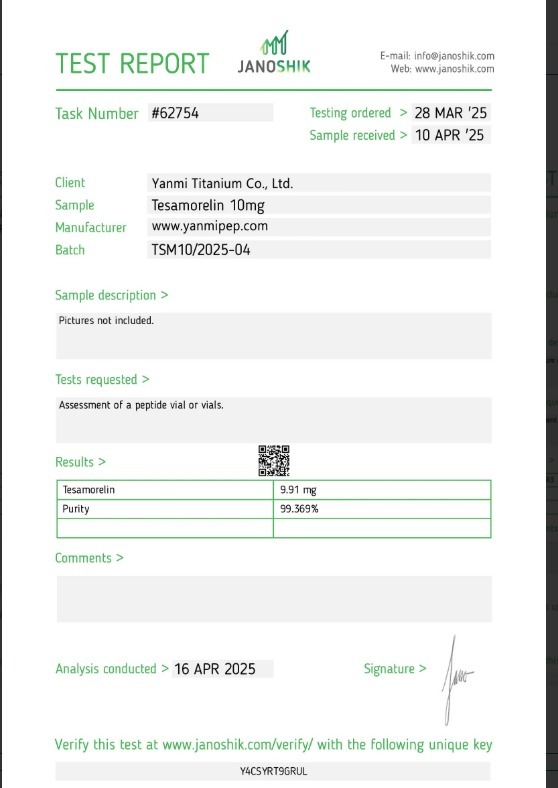
These saved Janoshik reports describe their named samples, suppliers and production lots, not automatically current stock. Confirm both supplier and batch before relying on a report.



Popular research topics & products
Research topics
Popular products
Regional logistics
Compounds discussed in this article
MOTS-c
In stock
SS-31
In stock
View cart · For in-vitro research use only.
Reconstitution supplies (optional)
Sold separately and never added automatically. Solvent choice depends on the compound — check its COA or handling sheet before choosing.
Not sure which peptide fits your research question?
Take the 60-second Find Your Peptides quiz — it points you to the most relevant reference compounds for your area of investigation.
Start the quizMore in Research Journal
2026-05-22
BPC-157 in Tissue-Repair Research: What the Literature Shows
2026-07-18
BPC-157 vs TB-500: A Comparative Research Guide
2026-05-06
Cagrilintide: Long-Acting Amylin Analogue in Metabolic Research
2026-05-15
Epitalon: The Pineal Peptide in Longevity Research
2026-05-17
GHK-Cu: The Copper Peptide in Cosmetic and Skin-Biology Research
2026-07-15