
·Educational reference

## Understanding 5-Amino-1MQ
5-Amino-1MQ (1-methylnicotinamide) is a novel small molecule primarily studied for its role as a selective non-competitive inhibitor of nicotinamide N-methyltransferase (NNMT). NNMT is an enzyme expressed in various tissues, including adipose tissue, and plays a role in the methylation of nicotinamide, thereby influencing cellular NAD+ levels. The inhibition of NNMT by compounds like 5-Amino-1MQ has been a focus of research concerning metabolic regulation and energy homeostasis in various biological systems.
## Mechanism of Action in Research Models
The primary mechanism through which 5-Amino-1MQ is studied involves its ability to inhibit NNMT. In research models, NNMT inhibition is proposed to increase intracellular levels of nicotinamide, which can then be shunted towards NAD+ synthesis pathways. NAD+ (nicotinamide adenine dinucleotide) is a critical coenzyme involved in numerous metabolic processes, including glycolysis, the tricarboxylic acid cycle, and oxidative phosphorylation. By modulating NAD+ levels, 5-Amino-1MQ is hypothesized to influence cellular energy metabolism. Elevated NAD+ levels are associated with increased sirtuin activity, which in turn regulates gene expression related to metabolism, DNA repair, and cellular longevity.
## Research on Adipose Tissue and Metabolism
Preclinical research has investigated the effects of 5-Amino-1MQ on adipose tissue in various models. Studies have explored its potential impact on adipogenesis (the formation of fat cells) and fat cell differentiation. In certain in-vitro and in-vivo models, NNMT inhibition by 5-Amino-1MQ has been observed to reduce white adipose tissue mass and improve metabolic parameters. This is thought to occur through mechanisms involving increased energy expenditure and reduced lipid accumulation in adipocytes. Researchers are also examining how this compound might influence mitochondrial function within fat cells, which is central to energy balance. The interplay between NNMT inhibition and systemic metabolism is complex, with ongoing research aiming to elucidate the precise cellular and molecular pathways involved.
## Impact on Cellular NAD+ Levels
A significant area of research for 5-Amino-1MQ revolves around its ability to modulate intracellular NAD+ concentrations. As an NNMT inhibitor, it prevents the methylation and subsequent degradation of nicotinamide, thereby making more nicotinamide available for its conversion into NAD+. Maintaining optimal NAD+ levels is important for numerous cellular functions, including the activity of NAD+-dependent enzymes such as sirtuins (SIRT1-7) and poly(ADP-ribose) polymerases (PARPs). These enzymes play vital roles in DNA repair, gene silencing, and metabolic regulation. By influencing NAD+ availability, 5-Amino-1MQ is studied for its potential effects on cellular health and metabolic flexibility in research contexts.
## Future Research Directions and Considerations
Ongoing research continues to explore the full spectrum of 5-Amino-1MQ's effects. While initial findings in metabolic research models are promising, further studies are necessary to fully understand its systemic implications. Areas of interest include its potential interactions with other metabolic pathways, its long-term effects on cellular physiology, and comparisons with other compounds that modulate NAD+ metabolism, such as those impacting CJC-1295 Ipamorelin research which focuses on growth hormone-releasing pathways. Researchers are also investigating optimal dosing strategies and potential off-target effects in various experimental setups. The goal is to thoroughly characterize 5-Amino-1MQ's biological profile and its utility as a research tool for understanding metabolic disorders.
## Conclusion
5-Amino-1MQ represents an intriguing compound in the field of metabolic research, primarily due to its selective inhibition of the NNMT enzyme. This inhibition leads to an increase in intracellular NAD+ levels, which in turn influences various metabolic pathways, particularly within adipose tissue. While research in various models has shed light on its potential to impact energy expenditure and fat cell differentiation, ongoing and future studies are important for a complete understanding of its mechanisms and effects. These compounds are for in-vitro research only.
Educational reference only.
Know someone who does lab research? Send them this page and earn a 3–30% affiliate commission based on your monthly referred sales.
Share & earn
Your personal share link
Post this link on your social media. Anyone you refer who places a paid order earns you a single-use 20% discount code through our referral program — it cannot be combined with another discount that is already active.
https://biomechpeptides.comA fresh code is generated every time this page loads, so each share is tracked separately.
Research disclaimer
This article is published for educational and scientific information purposes only. It does not constitute medical, veterinary, pharmaceutical, or professional advice and should not be used to diagnose, treat, cure, or prevent any condition. Bio Mech Peptides sells laboratory research materials only. Nothing on this site is a medicine, supplement, food or cosmetic, and nothing is sold for use in people or animals, whether to diagnose, treat or otherwise.
Related on Bio Mech Peptides
Related analytical reports
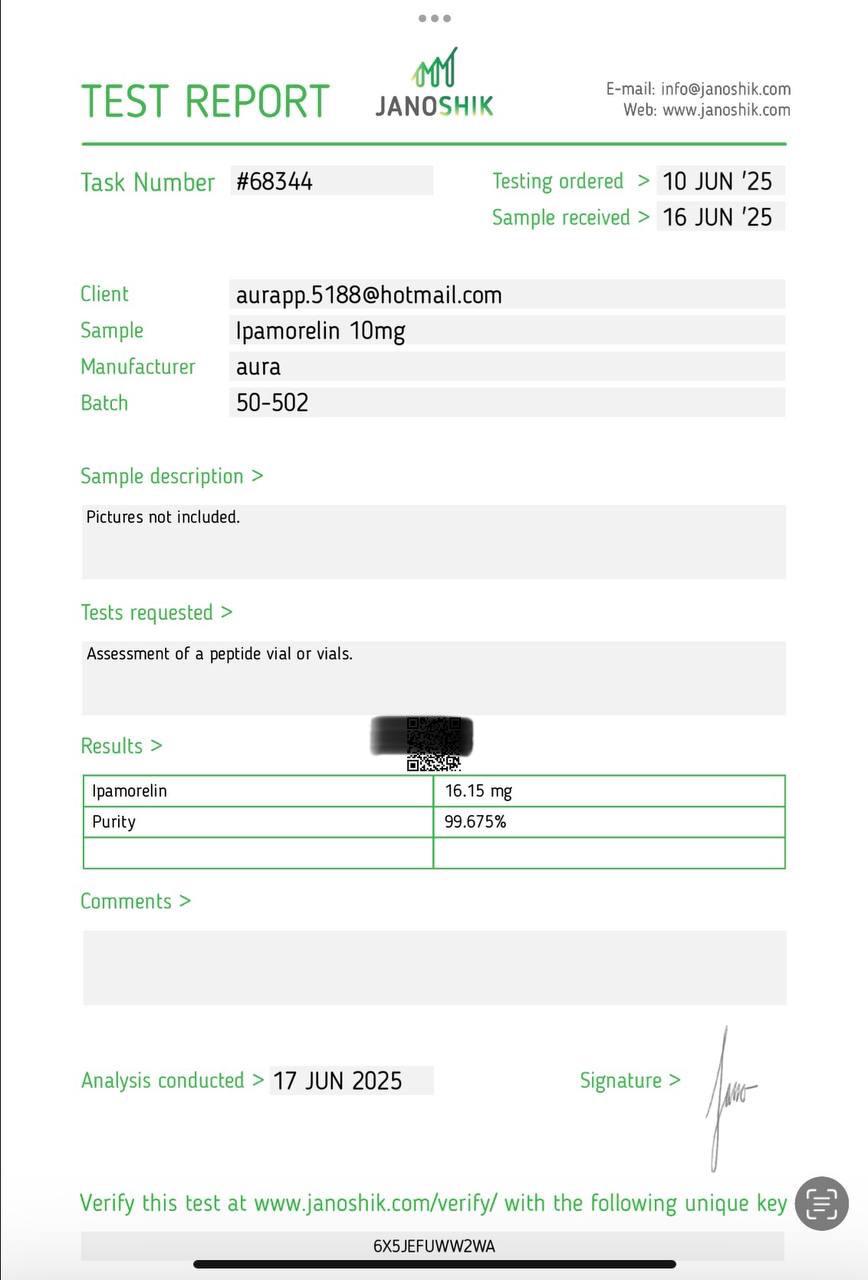
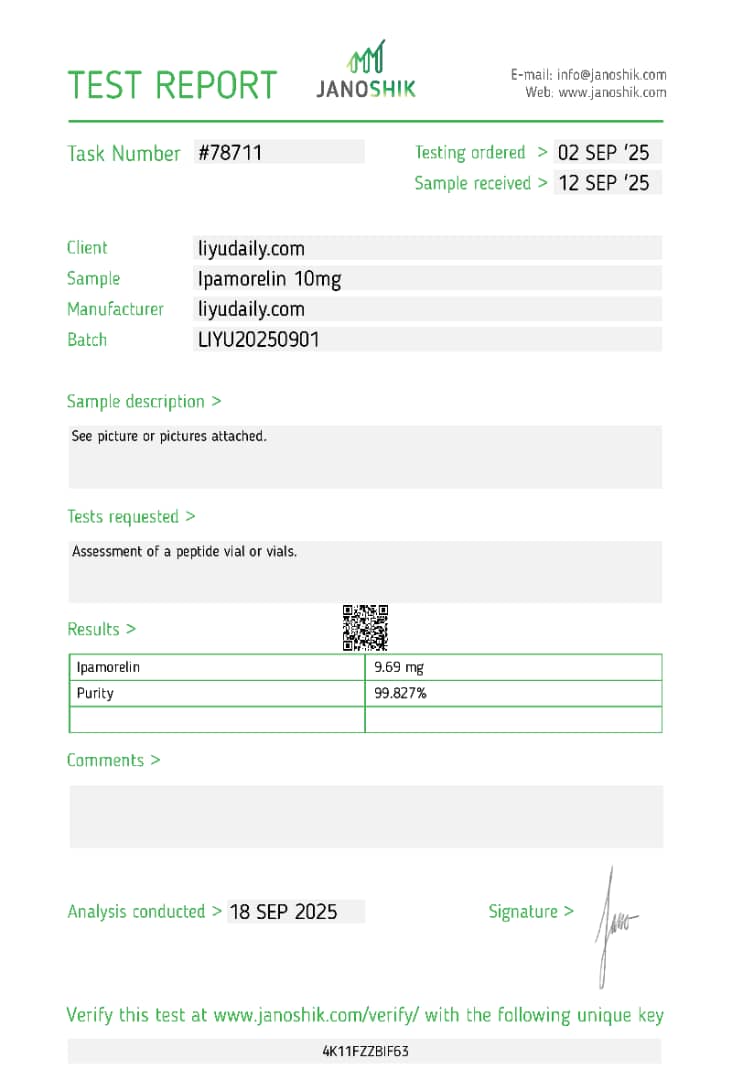
These saved Janoshik reports describe their named samples, suppliers and production lots, not automatically current stock. Confirm both supplier and batch before relying on a report.
Popular research topics & products
Research topics
Popular products
Regional logistics
Compound discussed in this article
5-Amino-1MQ
In stock
View cart · For in-vitro research use only.
Reconstitution supplies (optional)
Sold separately and never added automatically. Solvent choice depends on the compound — check its COA or handling sheet before choosing.
Not sure which peptide fits your research question?
Take the 60-second Find Your Peptides quiz — it points you to the most relevant reference compounds for your area of investigation.
Start the quizMore in Research Journal
2026-05-22
BPC-157 in Tissue-Repair Research: What the Literature Shows
2026-07-18
BPC-157 vs TB-500: A Comparative Research Guide
2026-05-06
Cagrilintide: Long-Acting Amylin Analogue in Metabolic Research
2026-05-15
Epitalon: The Pineal Peptide in Longevity Research
2026-05-17
GHK-Cu: The Copper Peptide in Cosmetic and Skin-Biology Research
2026-07-15