
·Educational reference
Research into regenerative processes often examines the roles of specific peptides. Among these, BPC-157 (Body Protection Compound-157) and TB-500 (Thymosin Beta-4) have garnered significant attention in the context of injury recovery in various preclinical models. Understanding their mechanisms and documented effects is important for researchers in the regenerative field.
## BPC-157: A Gastric Pentadecapeptide
BPC-157 is a synthetically produced gastrin pentadecapeptide, meaning it consists of 15 amino acids and is derived from a protective protein found in the stomach. Its primary area of study has been its cytoprotective properties, initially observed in the gastrointestinal tract. However, subsequent research has expanded its investigation to various tissue types beyond the gastric system.
### Mechanisms of Action for BPC-157
Literature suggests several potential mechanisms through which BPC-157 may exert its effects in research models. One prominent hypothesis involves its interaction with the nitric oxide (NO) system. BPC-157 has been observed to modulate NO synthesis and activity, which can influence angiogenesis (the formation of new blood vessels) and tissue repair. Additionally, studies indicate that BPC-157 may influence growth factor expression, particularly vascular endothelial growth factor (VEGF), an essential component in tissue regeneration and wound healing. Its reported ability to stabilize cell membranes and promote cell survival under stress conditions is also a subject of ongoing investigation.
### BPC-157 in Injury Models
In various animal models, BPC-157 has been studied for its potential effects on the healing of diverse injuries. This includes muscle tears, tendon injuries, ligament damage, and even bone fractures. For instance, in models of Achilles tendon rupture, BPC-157 administration has been associated with accelerated healing and improved structural integrity. Similar observations have been made in studies involving gastric ulcers, inflammatory bowel disease models, and even central nervous system injury models, suggesting a broad spectrum of tissue-protective and regenerative potential.
## TB-500: A Synthetic Derivative of Thymosin Beta-4
TB-500 is a synthetic fraction of the naturally occurring protein Thymosin Beta-4 (Tβ4). Tβ4 is a ubiquitous protein found in virtually all mammalian cells and plays a critical role in cell locomotion, differentiation, and tissue repair. TB-500 aims to harness a similar biological activity to Tβ4, particularly concerning its involvement in wound healing and tissue regeneration.
### Mechanisms of Action for TB-500
The primary mechanism attributed to TB-500 (and Tβ4) involves its strong affinity for actin, a major component of the cytoskeleton. By sequestering actin, Tβ4 can regulate cell motility, allowing for processes like cell migration, which is important for wound closure and tissue remodeling. Also, Tβ4 has been observed to promote angiogenesis, reduce inflammation, and enhance cell survival in ischemic conditions. These multifaceted actions contribute to its studied role in tissue repair and regeneration.
### TB-500 in Injury Models
Research involving TB-500 has explored its effects in various injury models, including cardiac damage, neurological injuries, and dermal wounds. In preclinical models of myocardial infarction, TB-500 has been investigated for its potential to reduce infarct size and improve cardiac function. Studies on dermal wound healing have shown accelerated re-epithelialization and improved scar quality. Its ability to promote neurite outgrowth and neuroprotection has also been examined in models of spinal cord injury and traumatic brain injury, highlighting its potential in neural regeneration.
## Comparative Perspectives and Ongoing Research
While both BPC-157 and TB-500 are investigated for their potential in injury recovery, they operate through distinct mechanisms. BPC-157 appears to exert its effects through modulating growth factors and the NO system, among others, demonstrating a broad cytoprotective and regenerative scope. TB-500, on the other hand, primarily acts through its interaction with actin and its influence on cell migration and angiogenesis.
Ongoing research continues to explore the full spectrum of these peptides' biological activities, including their potential synergistic effects when used in combination in certain research models. The precise dosing regimens, optimal delivery methods, and long-term effects remain important areas of investigation for researchers.
These research compounds, including retatrutide research compound, are valuable tools for understanding complex biological processes. The investigation into compounds like BPC-157 and TB-500 contributes to our understanding of tissue repair, regeneration, and the intricate biochemical pathways involved in maintaining tissue integrity and function.
Educational reference only. For in-vitro research use by qualified professionals only.
Know someone who does lab research? Send them this page and earn a 3–30% affiliate commission based on your monthly referred sales.
Share & earn
Your personal share link
Post this link on your social media. Anyone you refer who places a paid order earns you a single-use 20% discount code through our referral program — it cannot be combined with another discount that is already active.
https://biomechpeptides.comA fresh code is generated every time this page loads, so each share is tracked separately.
Research disclaimer
This article is published for educational and scientific information purposes only. It does not constitute medical, veterinary, pharmaceutical, or professional advice and should not be used to diagnose, treat, cure, or prevent any condition. Bio Mech Peptides sells laboratory research materials only. Nothing on this site is a medicine, supplement, food or cosmetic, and nothing is sold for use in people or animals, whether to diagnose, treat or otherwise.
Related on Bio Mech Peptides
Related analytical reports
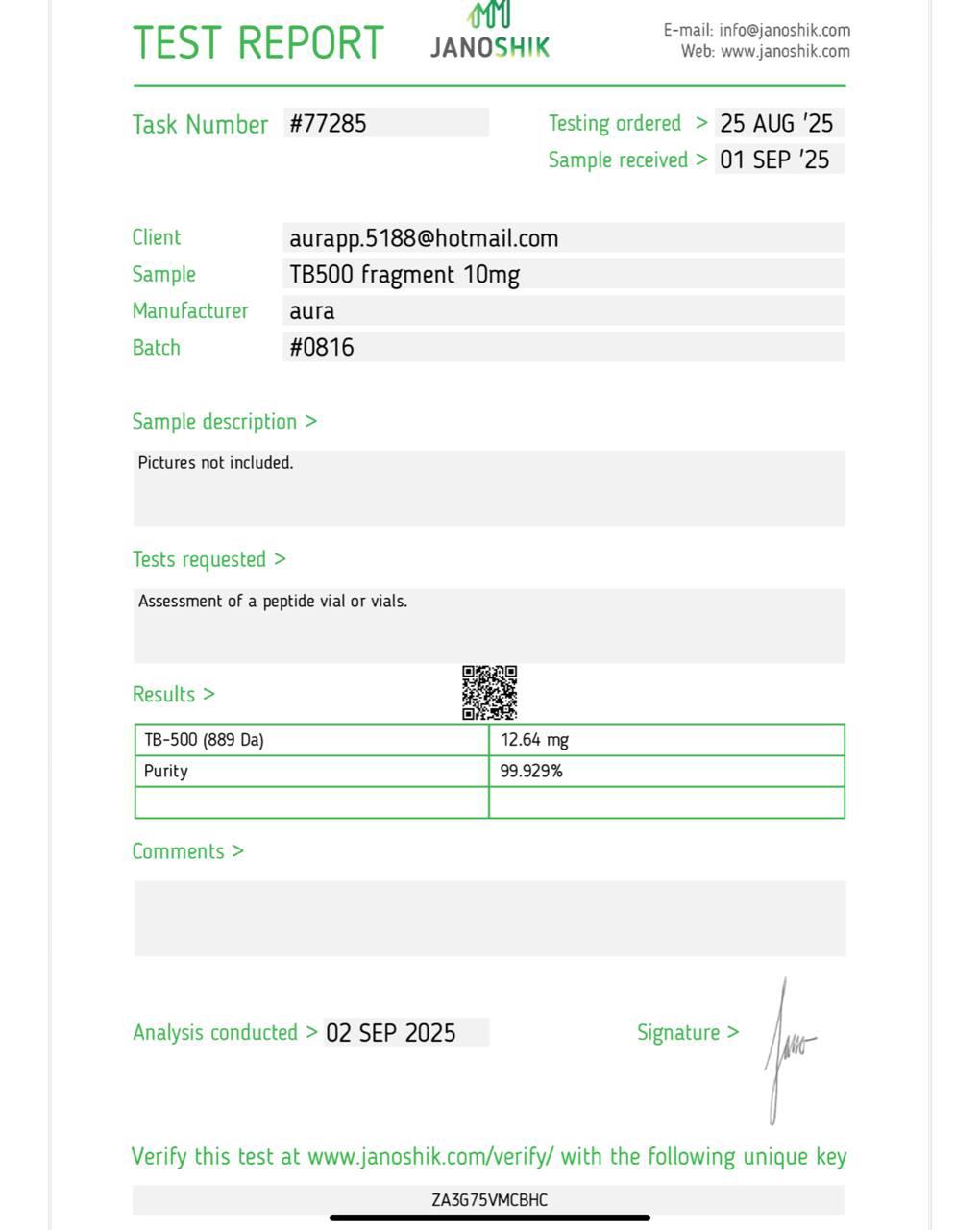
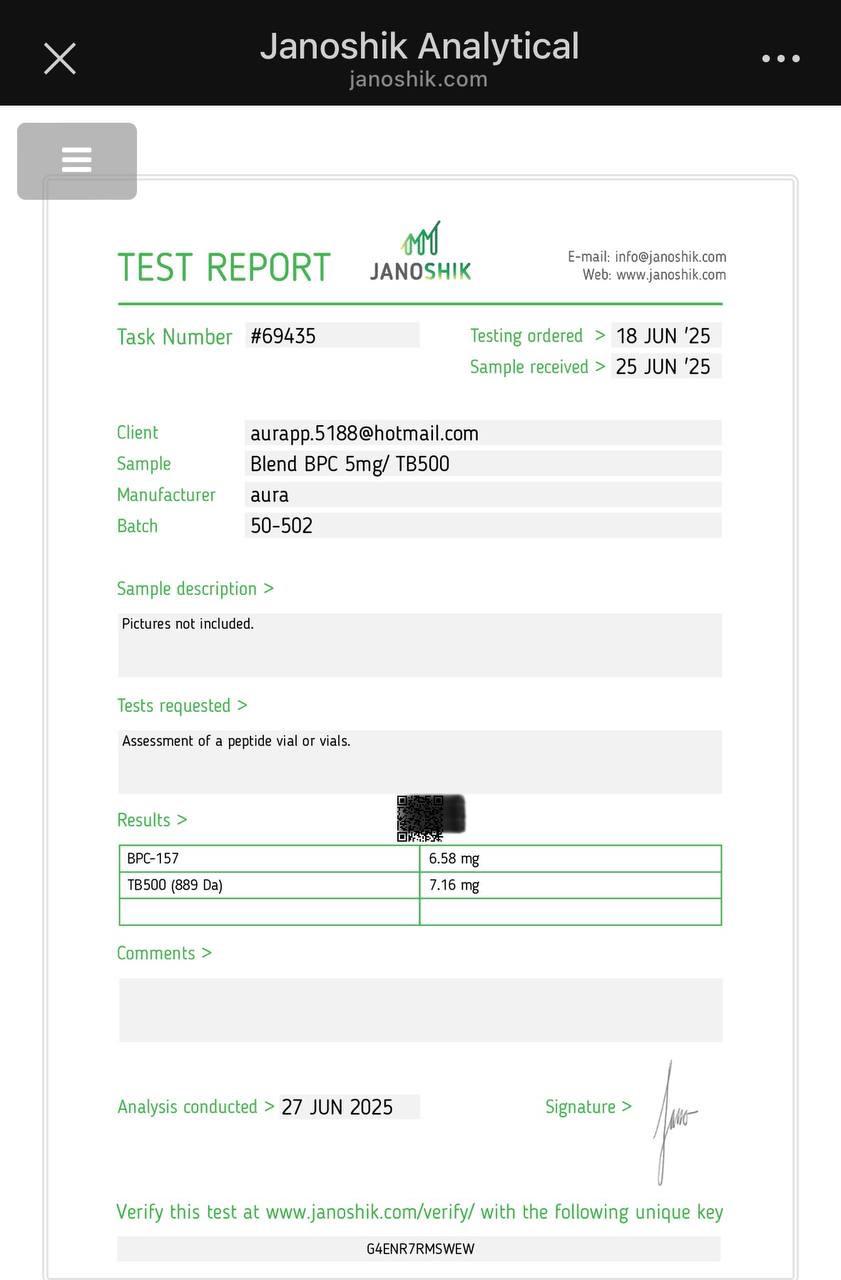
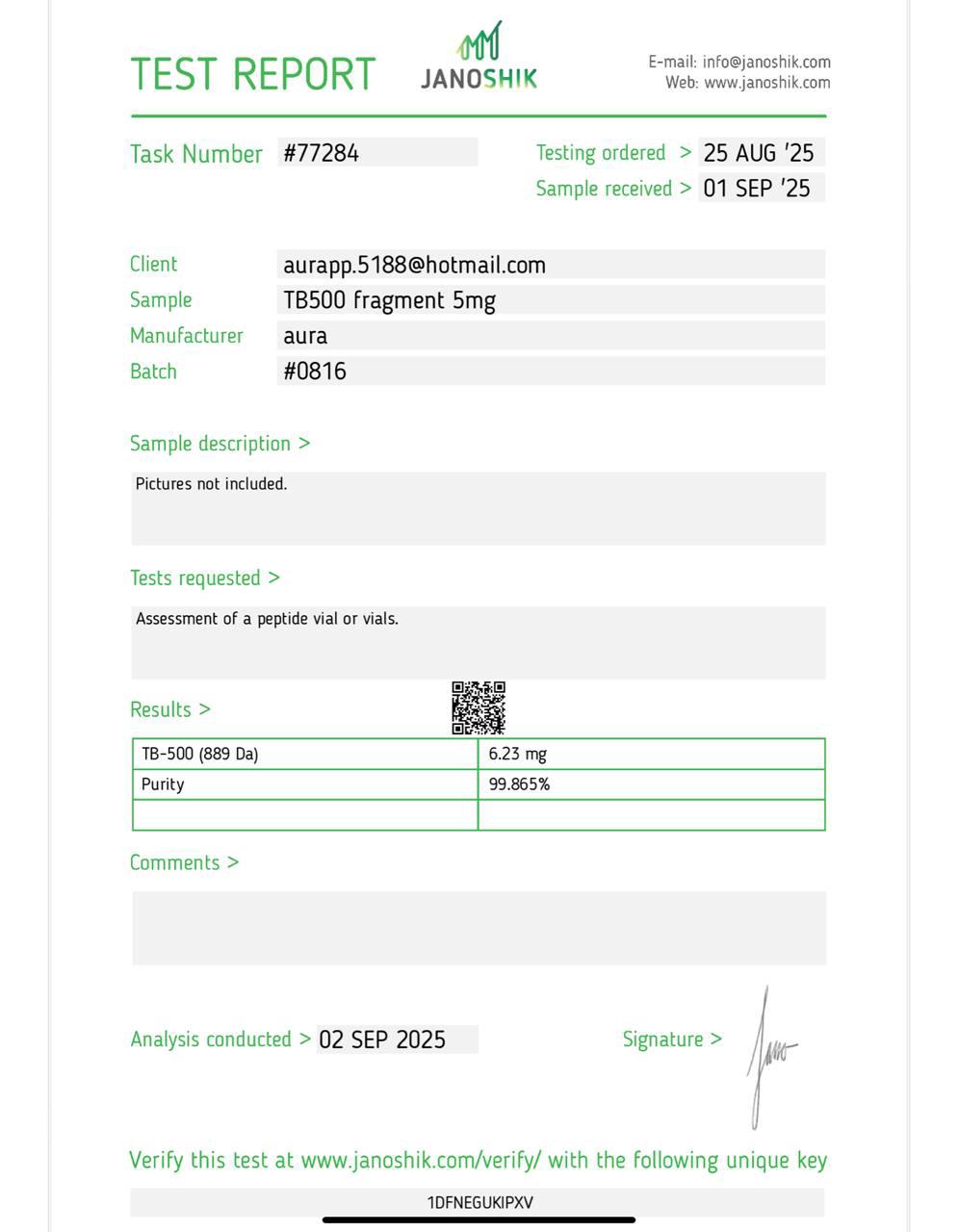
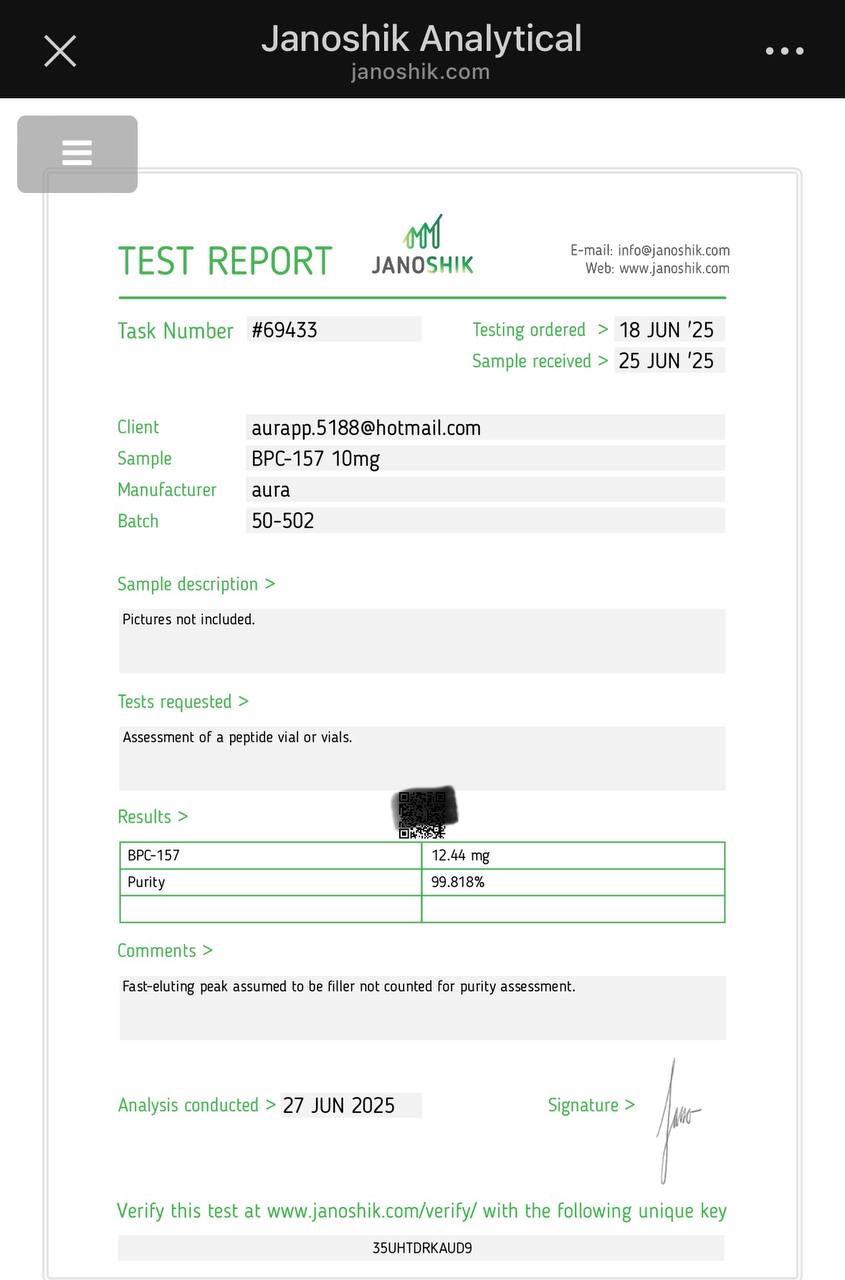
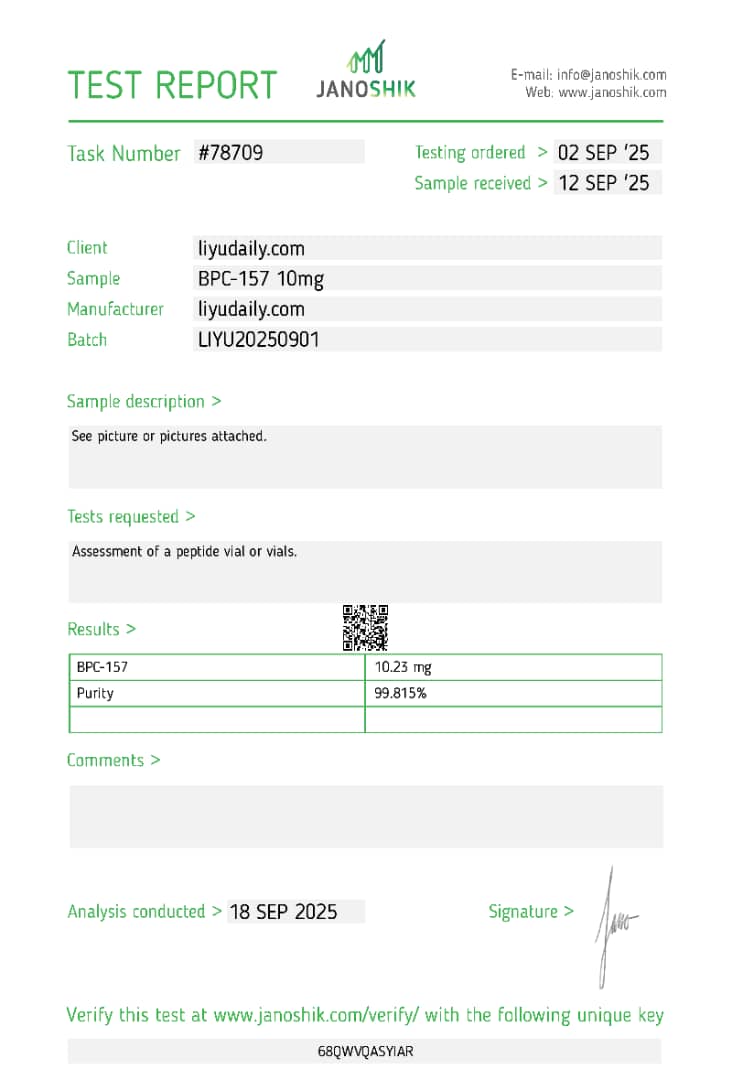
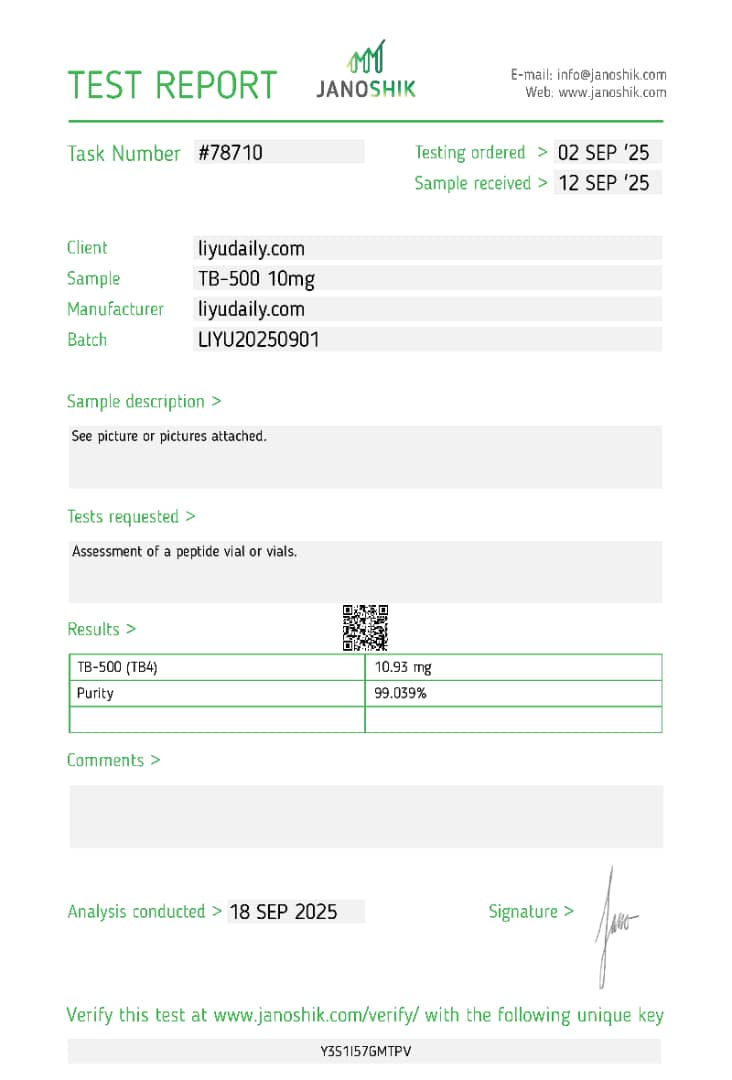
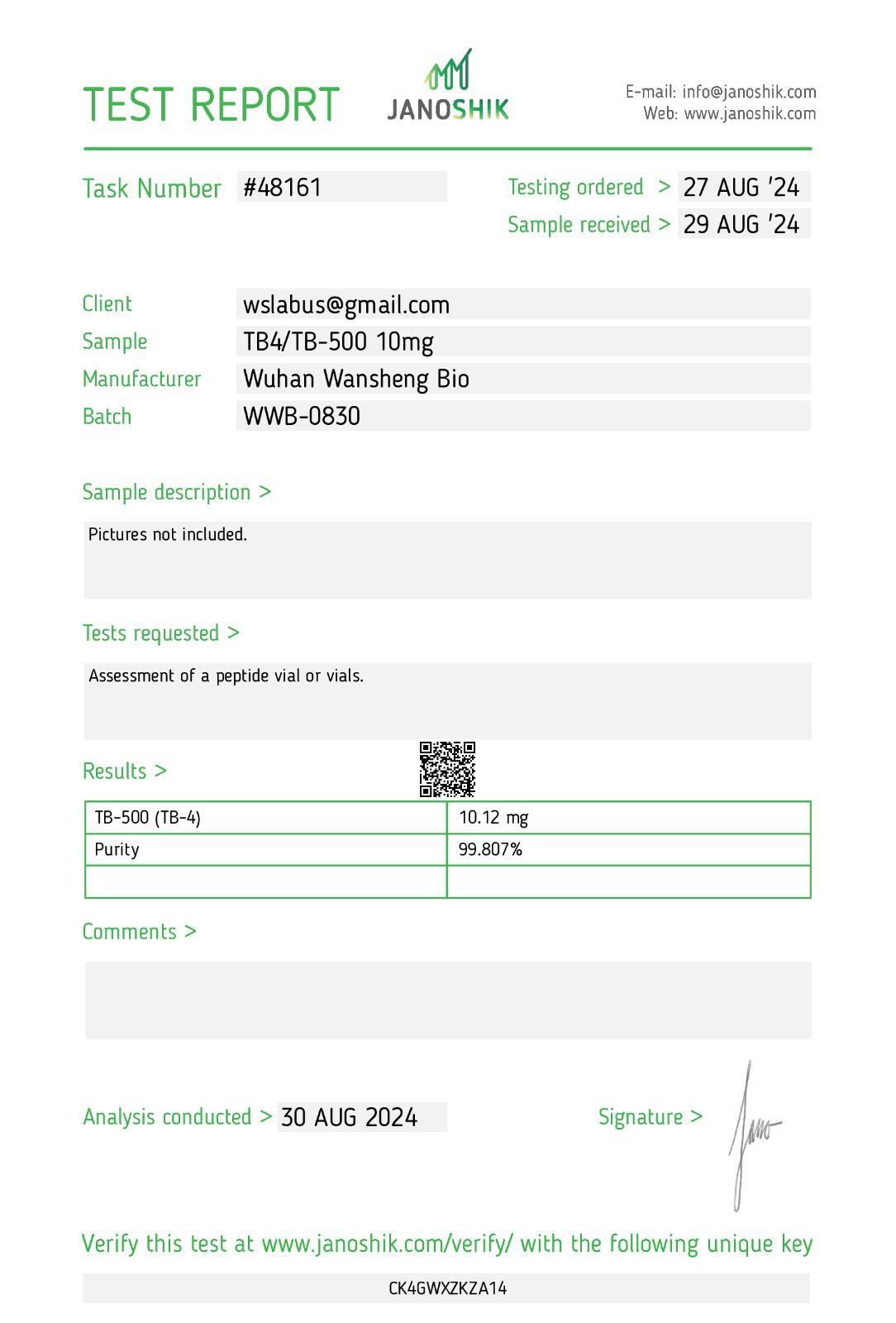
These saved Janoshik reports describe their named samples, suppliers and production lots, not automatically current stock. Confirm both supplier and batch before relying on a report.
- TB-500 Fragment 10 mg · batch #0816 · Janoshik Analytical
- BPC-157 5 mg / TB-500 Blend · batch 50-502 · Janoshik Analytical
- TB-500 Fragment 5 mg · batch #0816 · Janoshik Analytical
- BPC-157 10 mg · batch 50-502 · Janoshik Analytical
- BPC-157 10 mg · batch LIYU20250901 · Janoshik Analytical
- TB-500 10 mg · batch LIYU20250901 · Janoshik Analytical
- TB-500 (TB-4) 10 mg · batch WWB-0830 · Janoshik Analytical
Popular research topics & products
Research topics
Popular products
Regional logistics
Compounds discussed in this article
BPC-157
In stock
TB-500 (Thymosin Beta-4)
In stock
View cart · For in-vitro research use only.
Reconstitution supplies (optional)
Sold separately and never added automatically. Solvent choice depends on the compound — check its COA or handling sheet before choosing.
Not sure which peptide fits your research question?
Take the 60-second Find Your Peptides quiz — it points you to the most relevant reference compounds for your area of investigation.
Start the quizMore in Research Journal
2026-05-22
BPC-157 in Tissue-Repair Research: What the Literature Shows
2026-07-18
BPC-157 vs TB-500: A Comparative Research Guide
2026-05-06
Cagrilintide: Long-Acting Amylin Analogue in Metabolic Research
2026-05-15
Epitalon: The Pineal Peptide in Longevity Research
2026-05-17
GHK-Cu: The Copper Peptide in Cosmetic and Skin-Biology Research
2026-07-15