
·Educational reference
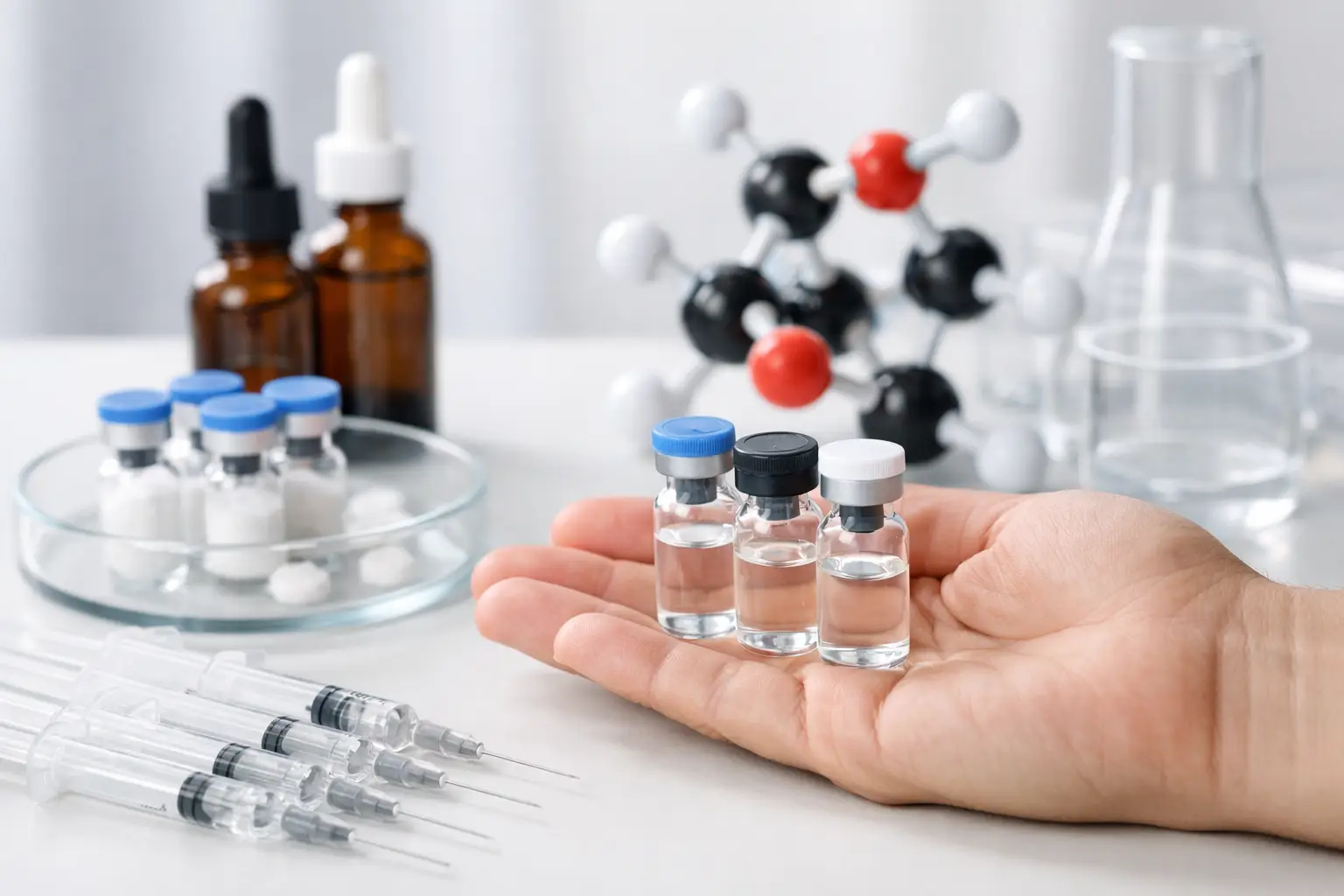
## Introduction to Amylin and Its Role Amylin, also known as islet amyloid polypeptide (IAPP), is a 37-amino acid peptide hormone co-secreted with insulin from pancreatic beta cells in response to nutrient intake. Its physiological roles primarily involve the regulation of glucose homeostasis and appetite. Amylin acts to slow gastric emptying, suppress postprandial glucagon secretion, and induce satiety, thereby contributing to glycemic control and energy balance. Dysregulation of amylin signaling is implicated in conditions such as type 2 diabetes, where impaired beta-cell function can lead to reduced amylin secretion alongside insulin deficiency.
## The Development of Amylin Analogs Due to amylin's short half-life and propensity for amyloid fibril formation, particularly in a non-native environment, synthetic amylin analogs have been developed for research purposes. Pramlintide was an early successful analog designed to overcome these limitations, demonstrating improved solubility and stability while retaining amylin's biological activities. These analogs are important for investigating the full therapeutic potential of amylin receptor agonism without the challenges associated with the native peptide.
## Cagrilintide: A Novel Long-Acting Amylin Analog Cagrilintide is a next-generation, long-acting amylin analog that exhibits an extended pharmacokinetic profile compared to native amylin and earlier analogs like pramlintide. This prolonged action allows for less frequent administration in research settings, facilitating chronic studies on metabolic effects. The structural modifications in cagrilintide are designed to enhance its stability and receptor binding affinity, leading to sustained activation of the amylin receptor pathway. In various research models, cagrilintide has demonstrated solid effects on food intake reduction, body weight regulation, and improvements in various metabolic parameters.
## Mechanisms of Action in Research Models Cagrilintide's primary mechanism of action involves agonism at the amylin receptor, which is a G protein-coupled receptor found in specific regions of the central nervous system, particularly the area postrema and the nucleus of the solitary tract. Activation of these receptors in the brainstem mediates its anorexigenic effects, leading to reduced food intake. Also, cagrilintide, like native amylin, has been studied for its ability to regulate gastric emptying, thereby impacting the rate of nutrient absorption and postprandial glucose excursions. Research indicates that slower gastric emptying contributes to improved satiety and reduced glucose spikes after meals. Studies in relevant models also explore its influence on hepatic glucose production and glucagon suppression, further underscoring its multifaceted role in glucose metabolism.
## Research into Cagrilintide's Metabolic Effects Preclinical studies involving cagrilintide have explored its effects on several metabolic aspects. In diet-induced obesity models, cagrilintide has consistently led to significant reductions in body weight, often accompanied by improvements in body composition, including reduced fat mass. The peptide's impact on energy expenditure is also an area of ongoing investigation, with some research suggesting potential alterations in metabolic rate. Beyond weight loss, studies have examined its influence on insulin sensitivity and glucose tolerance. The literature suggests that prolonged cagrilintide administration can lead to improved glycemic control markers, potentially by enhancing insulin signaling and reducing insulin resistance in peripheral tissues. The combination of its effects on satiety, gastric emptying, and glucose regulation positions cagrilintide as a valuable tool for understanding complex metabolic pathways.
## Cagrilintide and Novel Combination Therapies An emerging area of research involves investigating cagrilintide in combination with other metabolic peptides, notably GLP-1 receptor agonists. The rationale for such combinations is based on the complementary mechanisms of action between amylin analogs and GLP-1 agonists – while GLP-1 agonists primarily enhance glucose-dependent insulin secretion and suppress glucagon, amylin analogs target satiety and gastric emptying. Co-administration in research models has been observed to lead to additive or synergistic effects on weight loss and glycemic control, suggesting a potential for more thorough metabolic improvements than either agent alone. This research avenue highlights the ongoing effort to develop more effective strategies to address multifactorial metabolic disorders.
## Conclusion for Research Applications Cagrilintide represents a significant advancement in amylin analog research, offering a potent and long-acting tool for exploring the complex interplay of appetite regulation, glucose homeostasis, and body weight management. Its distinct mechanisms of action and favorable pharmacokinetic profile make it an invaluable compound for researchers investigating metabolic diseases. Continued studies into its downstream effects, central nervous system interactions, and potential synergistic actions with other agents will further elucidate its utility in the development of future metabolic interventions.
Educational reference only. For in-vitro research use only.
Know someone who does lab research? Send them this page and earn a 3–30% affiliate commission based on your monthly referred sales.
Share & earn
Your personal share link
Post this link on your social media. Anyone you refer who places a paid order earns you a single-use 20% discount code through our referral program — it cannot be combined with another discount that is already active.
https://biomechpeptides.comA fresh code is generated every time this page loads, so each share is tracked separately.
Research disclaimer
This article is published for educational and scientific information purposes only. It does not constitute medical, veterinary, pharmaceutical, or professional advice and should not be used to diagnose, treat, cure, or prevent any condition. Bio Mech Peptides sells laboratory research materials only. Nothing on this site is a medicine, supplement, food or cosmetic, and nothing is sold for use in people or animals, whether to diagnose, treat or otherwise.
Related on Bio Mech Peptides
Popular research topics & products
Research topics
Popular products
Regional logistics
Compound discussed in this article
Cagrilintide
In stock
View cart · For in-vitro research use only.
Reconstitution supplies (optional)
Sold separately and never added automatically. Solvent choice depends on the compound — check its COA or handling sheet before choosing.
Not sure which peptide fits your research question?
Take the 60-second Find Your Peptides quiz — it points you to the most relevant reference compounds for your area of investigation.
Start the quizMore in Research Journal
2026-05-22
BPC-157 in Tissue-Repair Research: What the Literature Shows
2026-07-18
BPC-157 vs TB-500: A Comparative Research Guide
2026-05-06
Cagrilintide: Long-Acting Amylin Analogue in Metabolic Research
2026-05-15
Epitalon: The Pineal Peptide in Longevity Research
2026-05-17
GHK-Cu: The Copper Peptide in Cosmetic and Skin-Biology Research
2026-07-15