
·Educational reference
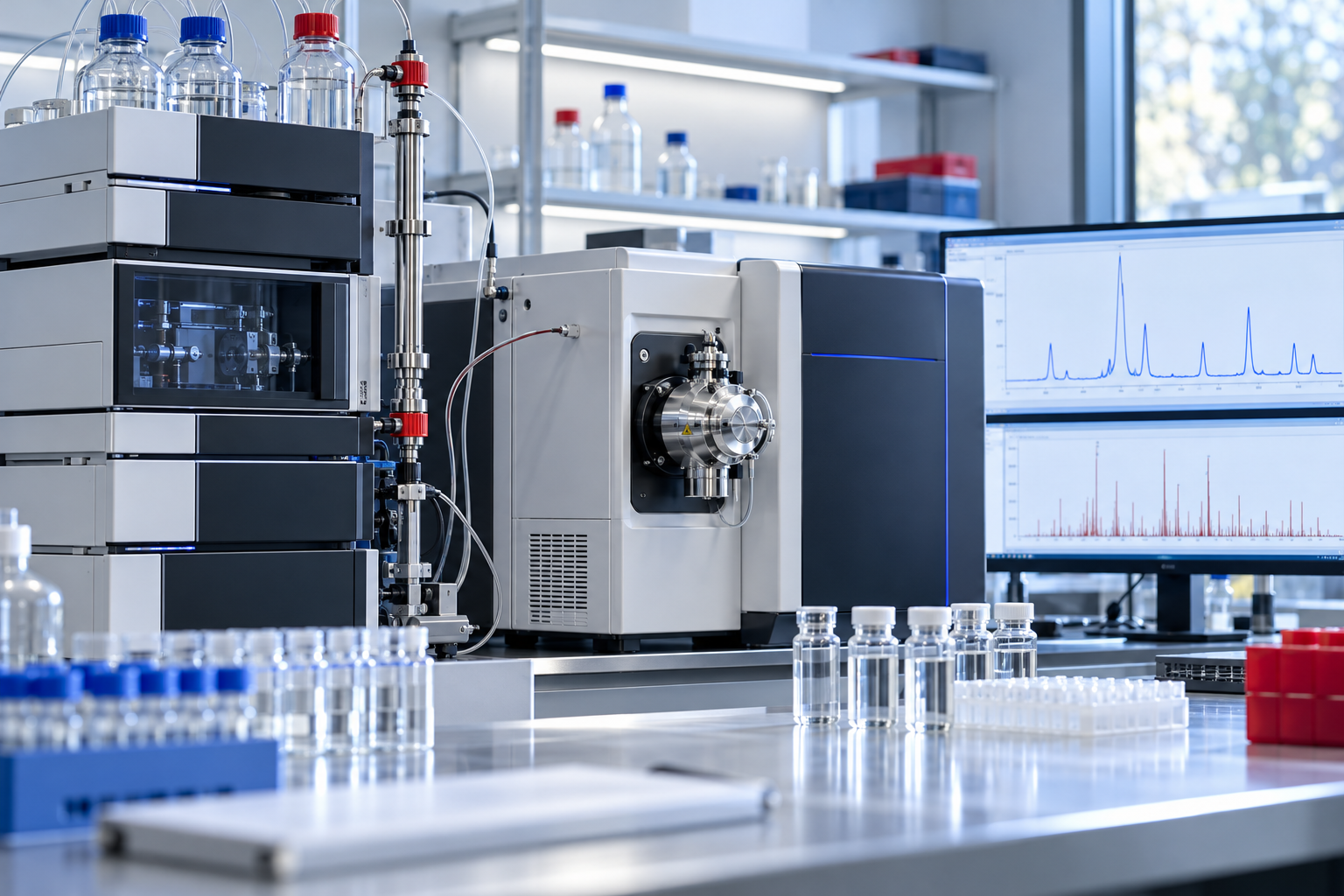
In contemporary biomedical and biochemical research, data reproducibility hinges on the chemical fidelity of the synthetic compounds under investigation. When handling synthetic peptide ligands such as PT-141 (a synthetic cyclic heptapeptide analog of alpha-melanocyte-stimulating hormone), rigorous batch characterization is imperative. Because solid-phase peptide synthesis (SPPS) can generate subtle truncation sequences, deletion variants, or diastereomers, laboratories rely on multi-tier analytical workflows to achieve accurate PT-141 batch verification prior to experimental assays.
The Chemistry of PT-141 and Analytical Challenges
PT-141 possesses a distinct cyclic lactam architecture designed to engage central melanocortin receptor subtypes (chiefly MC3R and MC4R) in cellular and animal research models. The cyclization step, typically executed via an intramolecular side-chain-to-side-chain lactam bridge between aspartic acid and lysine residues, introduces unique synthetic variables. Incomplete cyclization, linear intermediates, or enantiomeric impurities can evade rudimentary screening. Consequently, validating a research batch requires complementary orthogonal methods: High-Performance Liquid Chromatography (HPLC) to establish chromatographic purity, and Mass Spectrometry (MS) to confirm structural mass identity.
High-Performance Liquid Chromatography (HPLC) Profiling
Reversed-Phase HPLC (RP-HPLC) serves as the primary standard for quantifying peptide purity. Analytical chemists utilize stationary phases—commonly C18 or C8 bonded silica columns with defined pore sizes (such as 100 Å to 300 Å)—equilibrated with hydrophobic interaction gradients. A standard solvent system consists of an aqueous phase (water with 0.1% trifluoroacetic acid [TFA]) and an organic modifier (acetonitrile with 0.1% TFA).
- Gradient Resolution: Linear gradients running from 10% to 60% acetonitrile over 20 to 30 minutes allow researchers to resolve the main PT-141 monomer from closely eluting deletion peptides or incompletely deprotected species.
- Peak Integration: Detectors set at 214 nm (targeting the peptide backbone amide bond) or 280 nm (for aromatic residues such as tryptophan and phenylalanine) capture absorbance profiles. Purity is calculated via peak area normalization, where the target peak must meet explicit analytical thresholds, typically exceeding 98.0% in research-grade material.
- Retention Factor Consistency: A reproducible retention time (tR) against a verified PT-141 reference lot establishes baseline chromatographic consistency across distinct synthesis runs.
Mass Spectrometry: Confirming Molecular Mass and Integrity
While HPLC establishes relative homogeneity, it cannot confirm that the target molecule has the exact intended molecular structure. A co-eluting impurity with similar hydrophobicity might yield an overlapping peak. Mass spectrometry resolves this ambiguity by measuring the mass-to-charge ratio (m/z) of the ionized peptide species.
Laboratories predominantly deploy Electrospray Ionization Liquid Chromatography-Mass Spectrometry (ESI-LC-MS) or Matrix-Assisted Laser Desorption/Ionization Time-of-Flight (MALDI-TOF) mass spectrometry. In electrospray mode, PT-141 readily acquires multiple charges, producing characteristic [M+H]+, [M+2H]2+, and [M+3H]3+ peaks. Deconvolution of the multicharged spectrum yields the intact monoisotopic or average molecular weight. Comparing this value against the theoretical molecular weight (C50H68N14O10, approximate molecular weight 1025.2 g/mol) allows investigators to detect:
- Failure of full cyclization (yielding mass shifts corresponding to unreacted protecting groups or water addition).
- Deletion variants, such as missing amino acid residues that differ by discrete residue masses.
- Oxidation artifacts, frequently presenting as +16 Da shifts on susceptible amino acid side chains.
Deconstructing the Certificate of Analysis (COA)
An authentic analytical report synthesizes these independent datasets into a standardized Certificate of Analysis. Investigators evaluating documentation should confirm that the report provides raw chromatograms displaying baseline-to-baseline resolution rather than isolated summary tables. Key metrics include:
- Assigned Lot Identifiers: Clear correspondence between the tested batch and the analytical dossier.
- Moisture and Counterion Content: Synthetic peptides are typically isolated as lyophilized salts (often acetate or TFA salts). High-resolution reporting accounts for residual counterions and net peptide content.
- Solubility Assessments: Verification that the lyophilized cake reconstitutes into clear, particle-free aqueous solutions suitable for laboratory instrumentation.
Researchers can examine transparent, unredacted documentation through publicly accessible certificates of analysis without requiring a pre-existing order reference or paywall, ensuring data verification precedes experimental procurement.

Analytical Parity Across Diverse Research Classes
The rigorous analytical paradigm applied to melanocortin analogs extends across synthetic peptide classes. Whether evaluating neuro-investigational tools like the Semax peptide, hexapeptide scaffolds such as Dihexa, or targeted sequences like Adipotide, the imperative for simultaneous HPLC and mass verification remains constant. Non-peptide metabolic and cellular markers—including standalone L-Carnitine, foundational cofactors like Vitamin B12, and multianalyte Lipo-B formulations—similarly demand rigorous identity and concentration assays to prevent batch-dependent variance in laboratory outcomes.
Sourcing Verified Research Peptides with Bio Mech
Bio Mech facilitates access to high-purity compounds by connecting institutional researchers and independent laboratories directly with specialized chemical suppliers. Rather than manufacturing or dispatching goods internally, Bio Mech operates a streamlined logistical and verification bridge, curating materials evaluated under uncompromising analytical standards. Whether supporting university studies needing research peptides delivered to Castellón or corporate laboratories sourcing peptides in North Macedonia, consignments are dispatched promptly, reaching destinations within 4 to 10 working days from active tracking.
For teams seeking reliable PT-141 research kits backed by accessible, verifiable chromatography, explore our full research peptide catalogue to secure analytical-grade reagents for your next laboratory sequence.
Want to take this further in the lab? You can see delivery details for research peptides in European Union / Spain. All products are for laboratory research use only.
All compounds described are strictly for in vitro laboratory research and animal model investigation, and are not for human consumption, therapeutic use, or clinical administration.
Know someone who does lab research? Send them this page and earn a 3–30% affiliate commission based on your monthly referred sales.
Share & earn
Your personal share link
Post this link on your social media. Anyone you refer who places a paid order earns you a single-use 20% discount code through our referral program — it cannot be combined with another discount that is already active.
https://biomechpeptides.comA fresh code is generated every time this page loads, so each share is tracked separately.
Research disclaimer
This article is published for educational and scientific information purposes only. It does not constitute medical, veterinary, pharmaceutical, or professional advice and should not be used to diagnose, treat, cure, or prevent any condition. Bio Mech Peptides sells laboratory research materials only. Nothing on this site is a medicine, supplement, food or cosmetic, and nothing is sold for use in people or animals, whether to diagnose, treat or otherwise.
Related on Bio Mech Peptides
Related analytical reports
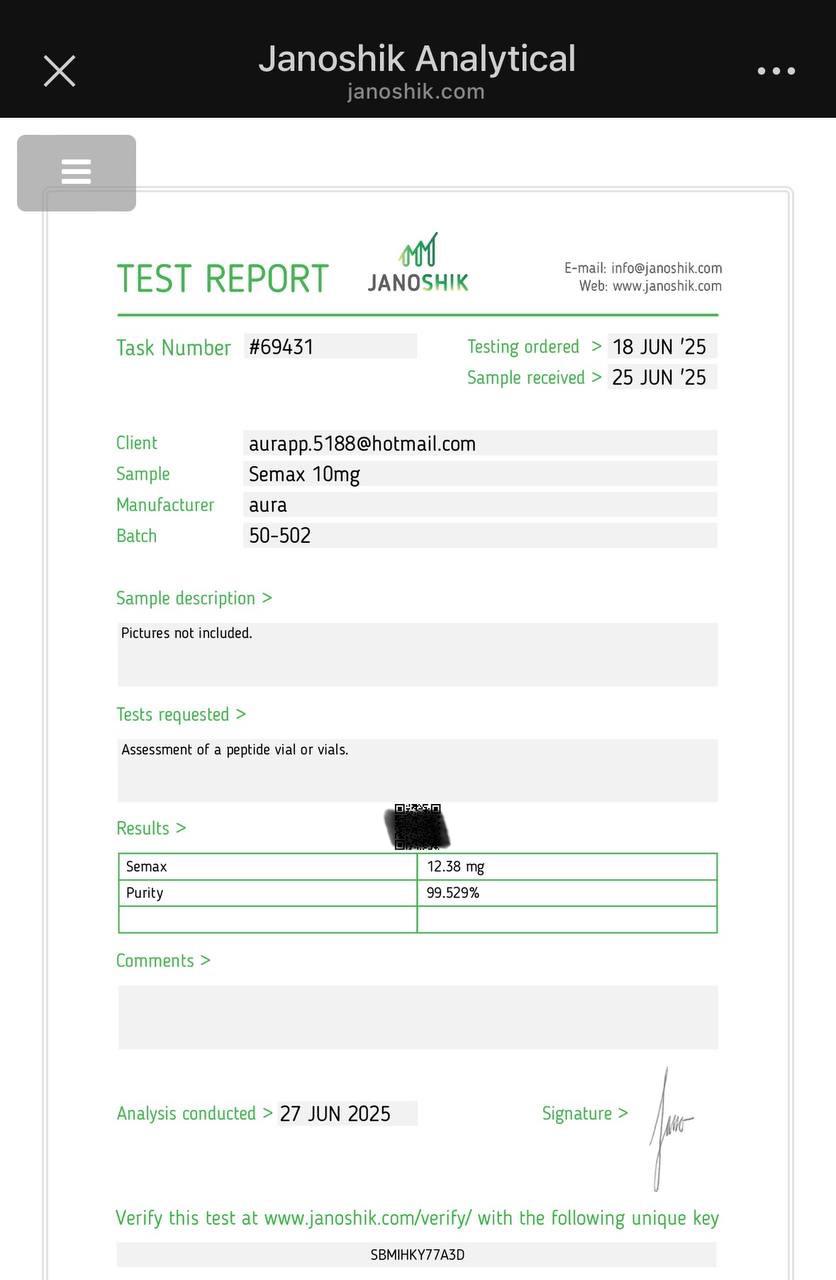
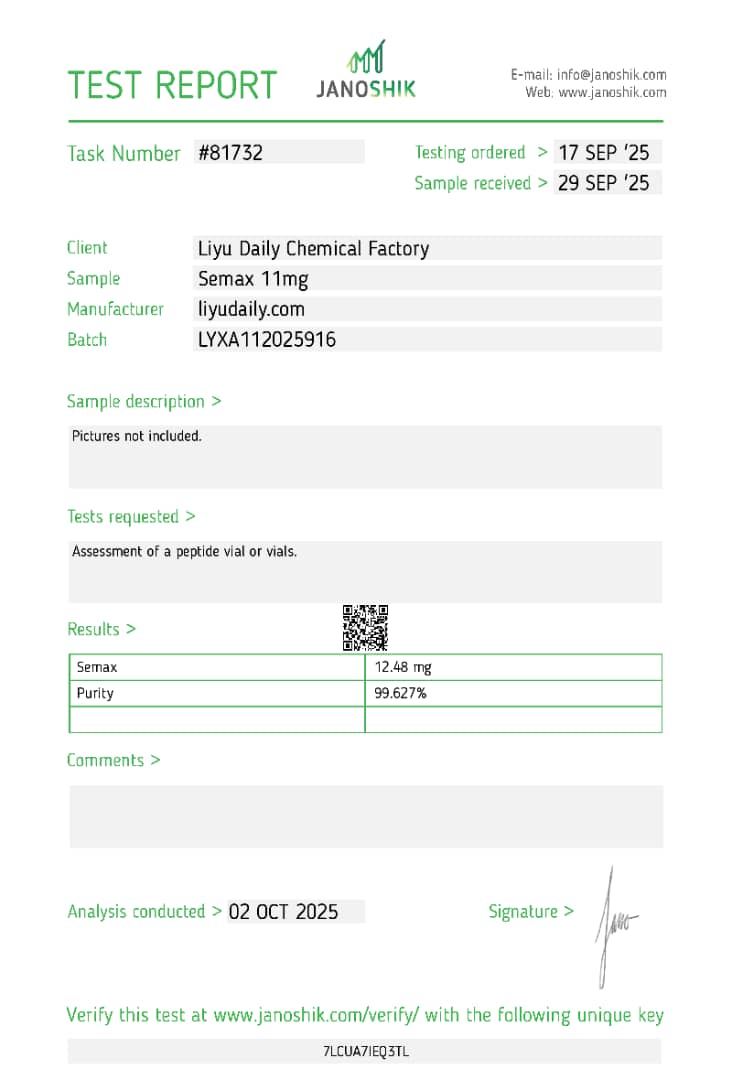
These saved Janoshik reports describe their named samples, suppliers and production lots, not automatically current stock. Confirm both supplier and batch before relying on a report.
Popular research topics & products
Research topics
Popular products
Regional logistics
Compounds discussed in this article
Adipotide
In stock
View cart · For in-vitro research use only.
Reconstitution supplies (optional)
Sold separately and never added automatically. Solvent choice depends on the compound — check its COA or handling sheet before choosing.
Not sure which peptide fits your research question?
Take the 60-second Find Your Peptides quiz — it points you to the most relevant reference compounds for your area of investigation.
Start the quizMore in Research Journal
2026-05-22
BPC-157 in Tissue-Repair Research: What the Literature Shows
2026-07-18
BPC-157 vs TB-500: A Comparative Research Guide
2026-05-06
Cagrilintide: Long-Acting Amylin Analogue in Metabolic Research
2026-05-15
Epitalon: The Pineal Peptide in Longevity Research
2026-05-17
GHK-Cu: The Copper Peptide in Cosmetic and Skin-Biology Research
2026-07-15