
·Educational reference

In modern molecular biology, the regulation of muscle mass and musculoskeletal remodeling relies heavily on the transforming growth factor-beta (TGF-β) superfamily. Among the investigational tools designed to dissect these pathways, ACE-031 in research models has garnered significant scientific attention. Developed as a soluble fusion protein, ACE-031 serves as a decoy receptor designed to interrupt specific ligand-receptor interactions that restrict cellular growth and tissue regeneration. For investigative teams sourcing materials from our full research peptide catalogue, understanding the mechanistic underpinnings of this agent is essential for formulating precise experimental assays.
Molecular Architecture and Ligand Sequestration
ACE-031 is engineered as an extracellular domain of the human activin receptor type IIB (ActRIIB) linked to the Fc region of an immunoglobulin G (IgG) molecule. This recombinant fusion architecture enables the protein to act as a decoy receptor, exhibiting high affinity for endogenous ligands that would otherwise engage native membrane-bound ActRIIB complexes. In published studies examined across preclinical literature, primary ligands bound by ACE-031 include:
- Myostatin (GDF-8): A primary negative regulator of skeletal muscle differentiation and proliferation.
- Activin A and Activin B: Key cytokines involved in inflammation, cell differentiation, and catabolic signaling.
- Growth Differentiation Factor 11 (GDF-11): A signaling molecule structurally homologous to myostatin, operating within downstream Smad pathways.
By sequestering these circulating signaling proteins, ACE-031 prevents them from binding to cellular ActRIIB receptors. This competitive inhibition prevents the recruitment and phosphorylation of type I receptors (ALK4/ALK5), thereby interrupting the canonical Smad2/3 intracellular signaling cascade. When Smad2 and Smad3 phosphorylation is suppressed in research models, transcription factors responsible for downregulating muscle structural proteins are rendered quiescent, creating an environment favorable for cellular hypertrophy.
Observational Findings in Cell and Animal Systems
Preclinical investigations utilizing rodent lines have extensively documented the physiological consequences of ActRIIB pathway modulation. Unlike agents that target myostatin alone, ACE-031 exerts broader suppression across multiple ActRIIB ligands. Consequently, published animal studies have noted substantial, rapid increases in cross-sectional muscle fiber area without requiring concomitant mechanical stimulus or exercise protocols.
Histological analyses from murine models demonstrate marked increases in both type I and type II muscle fiber diameters, reflecting amplified myofibrillar protein synthesis. Interestingly, researchers evaluating tissue dynamics have noted that the observed expansion is predominantly hypertrophic rather than hyperplastic. Cellular assays also document changes in satellite cell recruitment, with reduced Smad activation facilitating satellite cell entry into the cell cycle, thereby enhancing cell survival and structural remodeling.
Comparative Pathways in Musculoskeletal and Tissue Regeneration
To fully grasp how receptor-mediated signaling governs cellular repair, investigators frequently compare ActRIIB inhibition to alternative regenerative and cytoprotective pathways. While ACE-031 primarily addresses inhibitory growth factors, parallel research tracks often explore cytoskeletal integrity and microvascular stability using peptide sequences such as TB-500 or investigate gastrointestinal and tendon repair mechanisms with bpc 157. Evaluating these independent pathways concurrently allows scientists to map the convergence of structural proteins, actin sequestering, and extracellular matrix deposition.
Also, metabolic interactions represent an expanding frontier in ActRIIB decoy receptor research. Because muscle tissue plays an expansive role in basal energy expenditure and glucose disposal, alterations induced by ACE-031 downstream signaling frequently prompt parallel inquiries into cellular energetics. Researchers frequently contrast or coordinate these studies with metabolic regulators like 5-Amino-1MQ, which targets nicotinamide N-methyltransferase to modulate cellular NAD+ levels and lipid handling in metabolic assays.
Endocrine Axes and Dual-Target Investigation
The interplay between local autocrine/paracrine growth regulators and systemic endocrine pathways is another active domain of preclinical research. While ACE-031 functions strictly via ligand sequestration at the membrane periphery, systemic endocrine signals dictate baseline cellular capacity. For this reason, laboratories frequently examine ActRIIB pathways in relation to the somatotropic axis.

Research models examining the somatotropic cascade often evaluate recombinant HGH signaling to isolate how systemic endocrine pathways influence downstream IGF-1 expression alongside local myostatin suppression. Similarly, investigators studying secretagogue activity incorporate long-acting growth hormone releasing hormone analogues, such as cjc 1295 with dac, or examine pulsatile secretion dynamics utilizing combined modalities like cjc 1295 no dac ipamorelin. Documenting how these disparate axes cross-communicate provides structural insight into the cellular mechanisms governing tissue conservation and atrophy resistance.
Methodological Approaches in Experimental Design
When studying ACE-031 in research models, investigators utilize structured analytical frameworks to quantify molecular and systemic outcomes:
- Western Blotting: Measuring relative concentrations of phosphorylated Smad2 and Smad3 versus total Smad proteins to verify successful ligand neutralization.
- Quantitative Real-Time PCR (qPCR): Analyzing expression levels of muscle-specific ubiquitin ligases, such as MuRF-1 and Atrogin-1, which typically decline following ActRIIB blockade.
- Histomorphometry: Utilizing fluorescent microscopy and staining techniques to measure myofiber cross-sectional area and determine fiber type distribution changes.
- Dual-Energy X-Ray Absorptiometry (DEXA): Employed in animal models to track whole-body lean mass accrual alongside potential changes in bone mineral density.
Securing reliable, high-purity reference material is fundamental for reproducible outcomes in these intricate molecular assays. Whether your facility requires research peptides delivered to Kentucky or is coordinating scientific shipments of research peptides delivered to Portland, consistent reagent composition ensures the integrity of quantitative data.
Acquiring Research-Grade ACE-031 from Bio Mech Peptides
Rigorous scientific discovery necessitates analytical consistency across every experimental run. Bio Mech Peptides facilitates reliable access to research-grade compounds by connecting academic and industrial laboratories directly with specialized chemical synthesis suppliers. Through our platform, laboratories can secure high-purity ACE-031 prepared strictly for in vitro and in vivo scientific inquiry.
To support institutional accountability, analytical documentation is streamlined: researchers can utilize our lab report (COA) search feature to verify batch purity using their unique order reference following completed payment. Bio Mech Peptides manages supplier relationships rather than manufacturing or directly dispatching goods, ensuring seamless coordination from source to destination. Once orders enter transit with active tracking, laboratory teams can expect standard delivery windows of 4 to 10 working days across the United States, the United Kingdom, Spain, and Europe. Upgrade your analytical pipelines today by selecting Bio Mech Peptides for your critical biomolecular supplies.
Want to take this further in the lab? You can compare Ipamorelin research kits and Vesugen research kits, or see delivery details for research peptides in United Kingdom. All products are for laboratory research use only.
All compounds referenced herein are strictly intended for in vitro research and laboratory experimentation, and are not for human or animal consumption.
Know someone who does lab research? Send them this page and earn a 3–30% affiliate commission based on your monthly referred sales.
Share & earn
Your personal share link
Post this link on your social media. Anyone you refer who places a paid order earns you a single-use 20% discount code through our referral program — it cannot be combined with another discount that is already active.
https://biomechpeptides.comA fresh code is generated every time this page loads, so each share is tracked separately.
Research disclaimer
This article is published for educational and scientific information purposes only. It does not constitute medical, veterinary, pharmaceutical, or professional advice and should not be used to diagnose, treat, cure, or prevent any condition. Bio Mech Peptides sells laboratory research materials only. Nothing on this site is a medicine, supplement, food or cosmetic, and nothing is sold for use in people or animals, whether to diagnose, treat or otherwise.
Related on Bio Mech Peptides
Related analytical reports
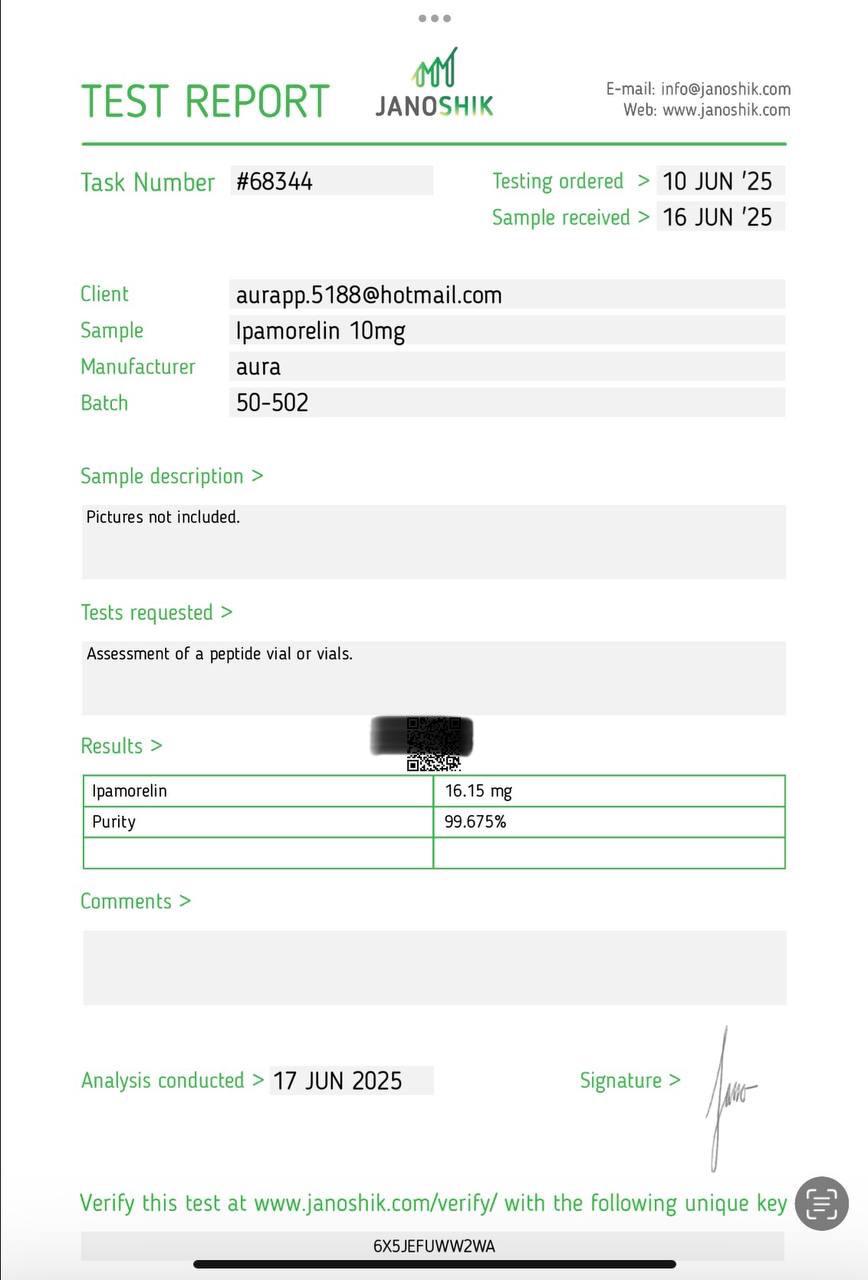
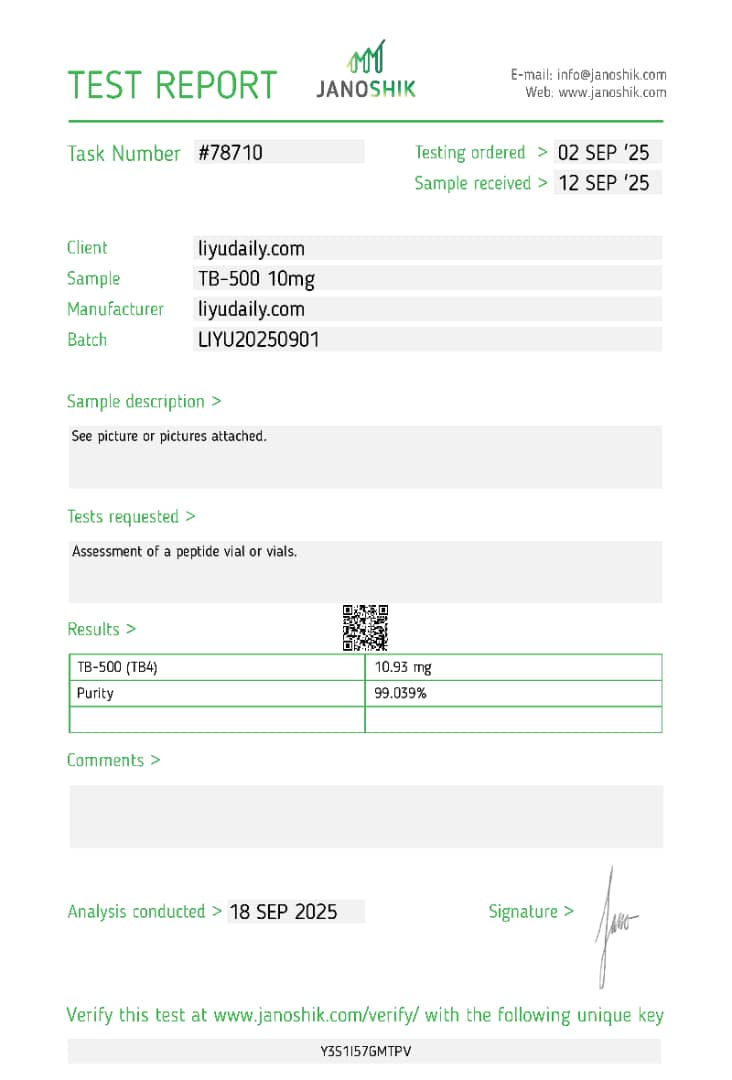
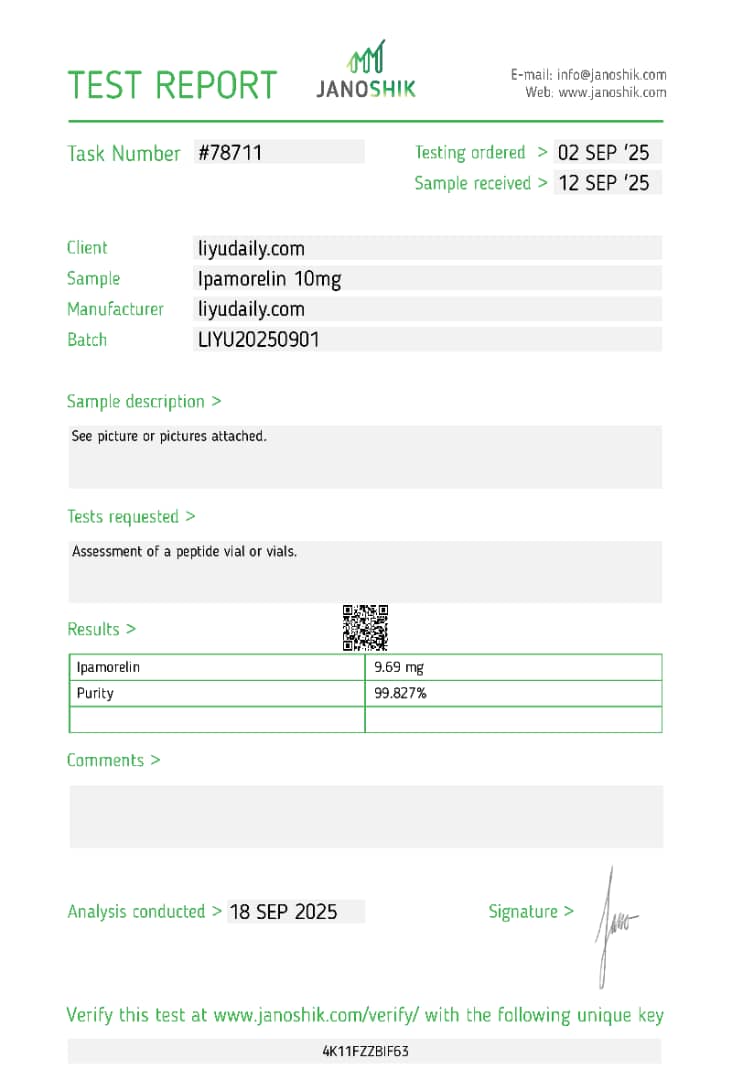
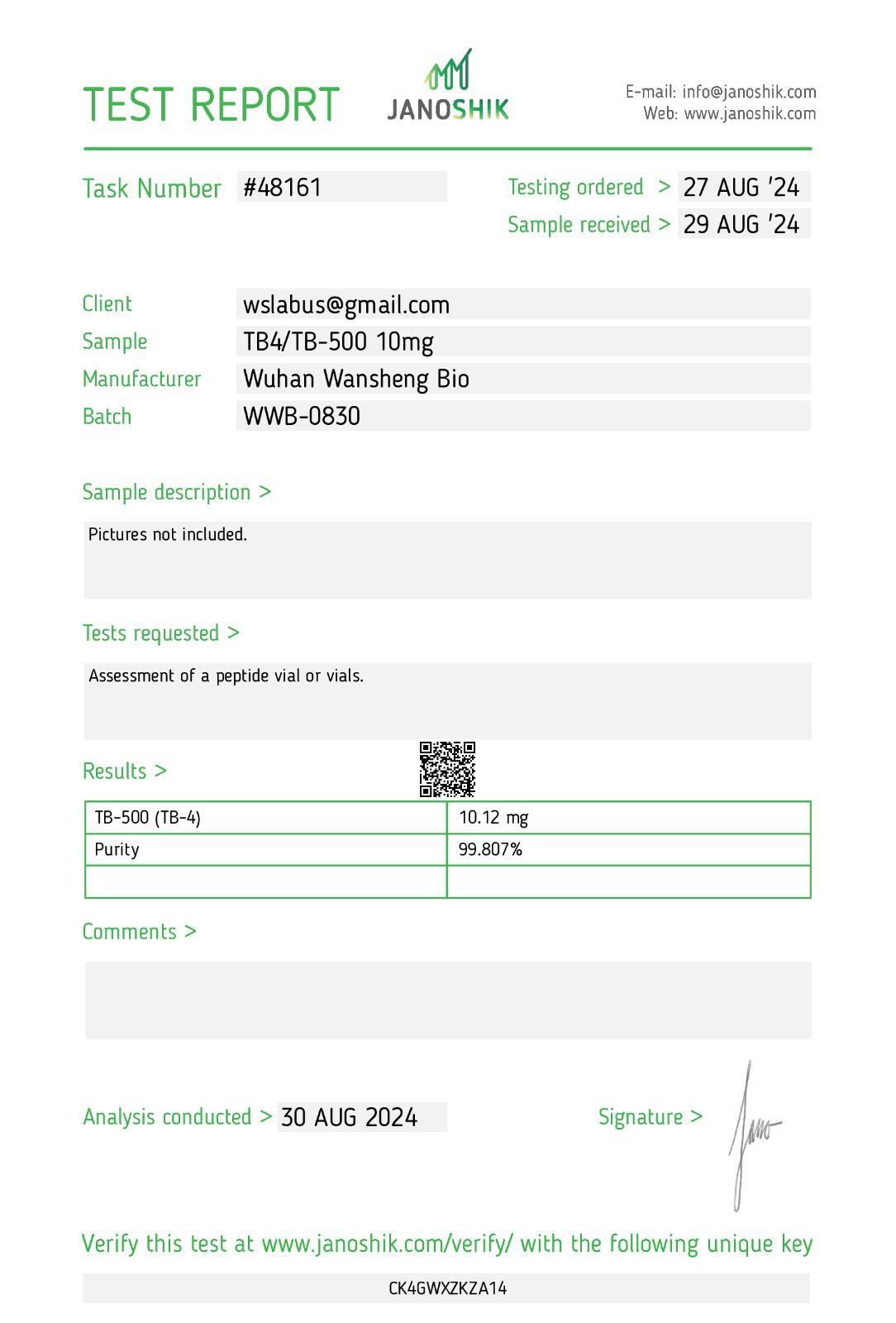
These saved Janoshik reports describe their named samples, suppliers and production lots, not automatically current stock. Confirm both supplier and batch before relying on a report.
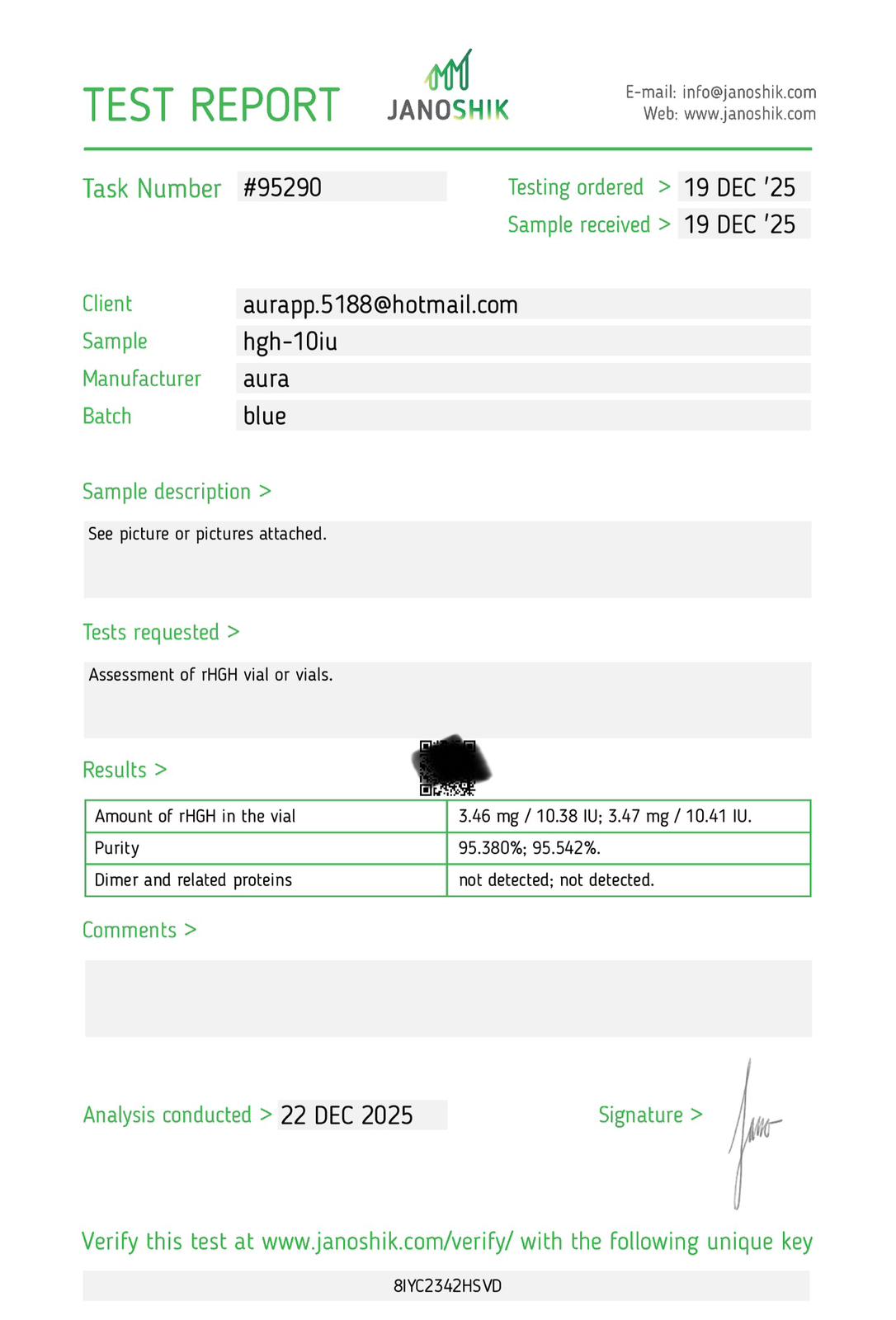
- HGH 10 IU (rHGH) · batch blue · Janoshik Analytical
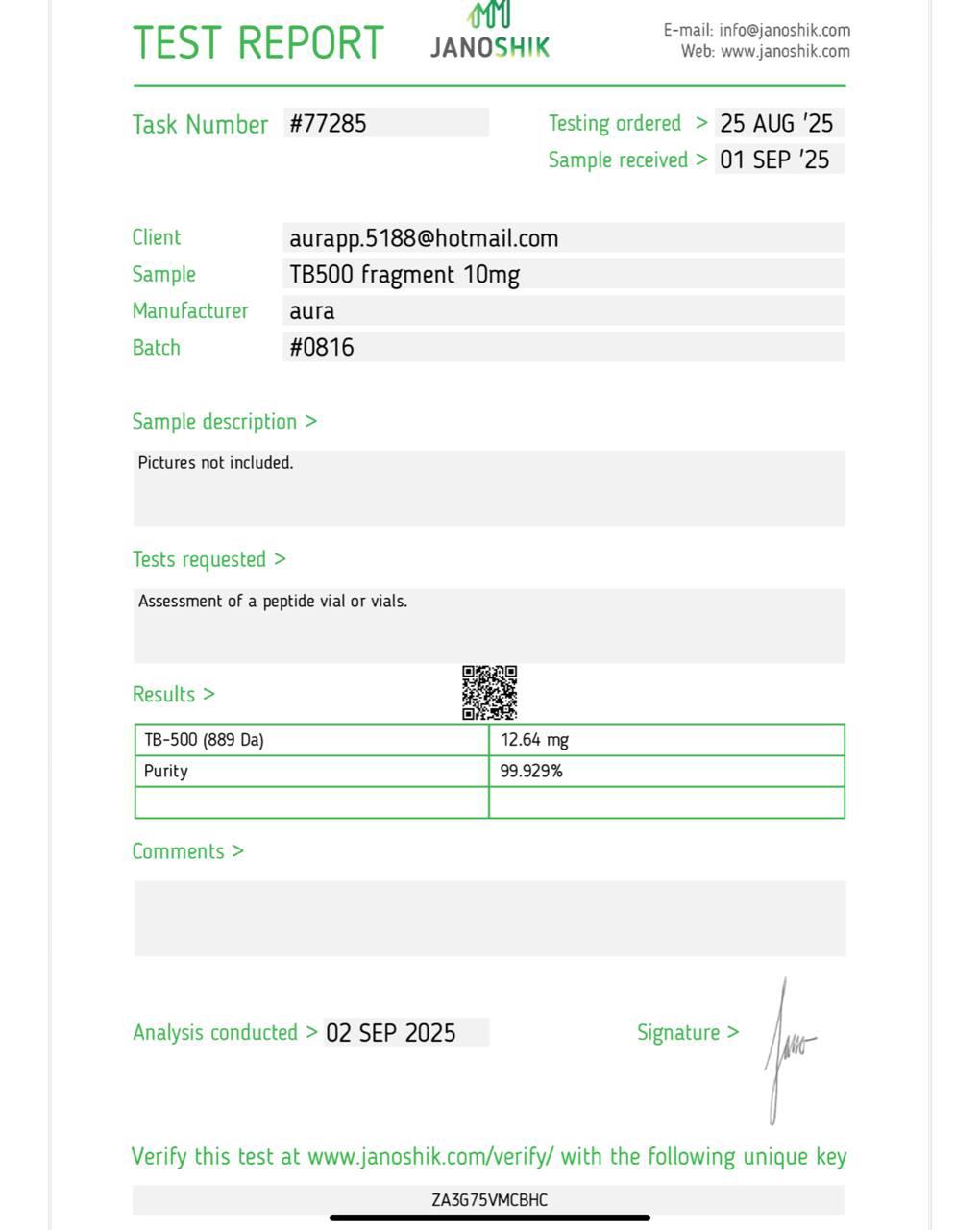
- TB-500 Fragment 10 mg · batch #0816 · Janoshik Analytical
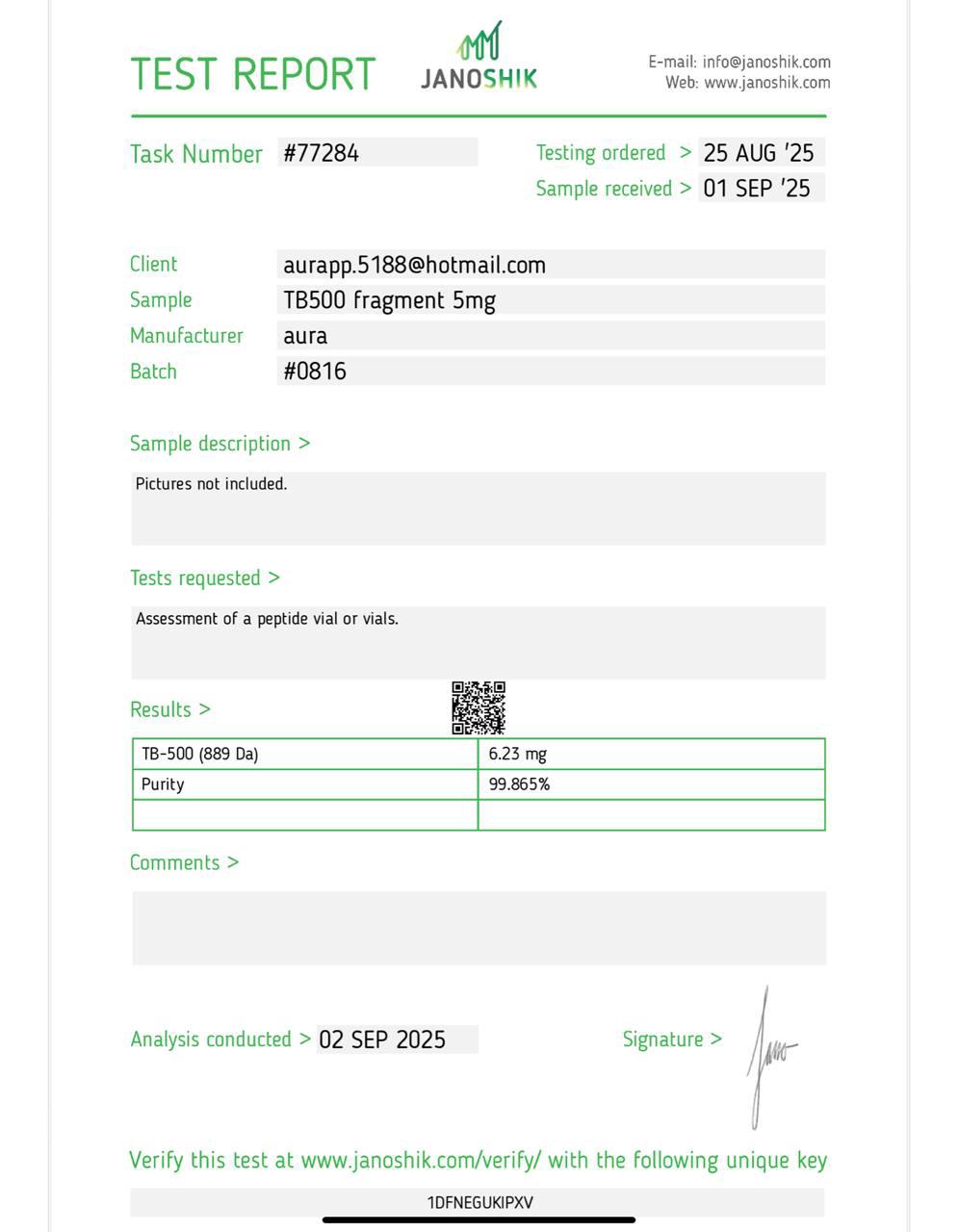
- TB-500 Fragment 5 mg · batch #0816 · Janoshik Analytical
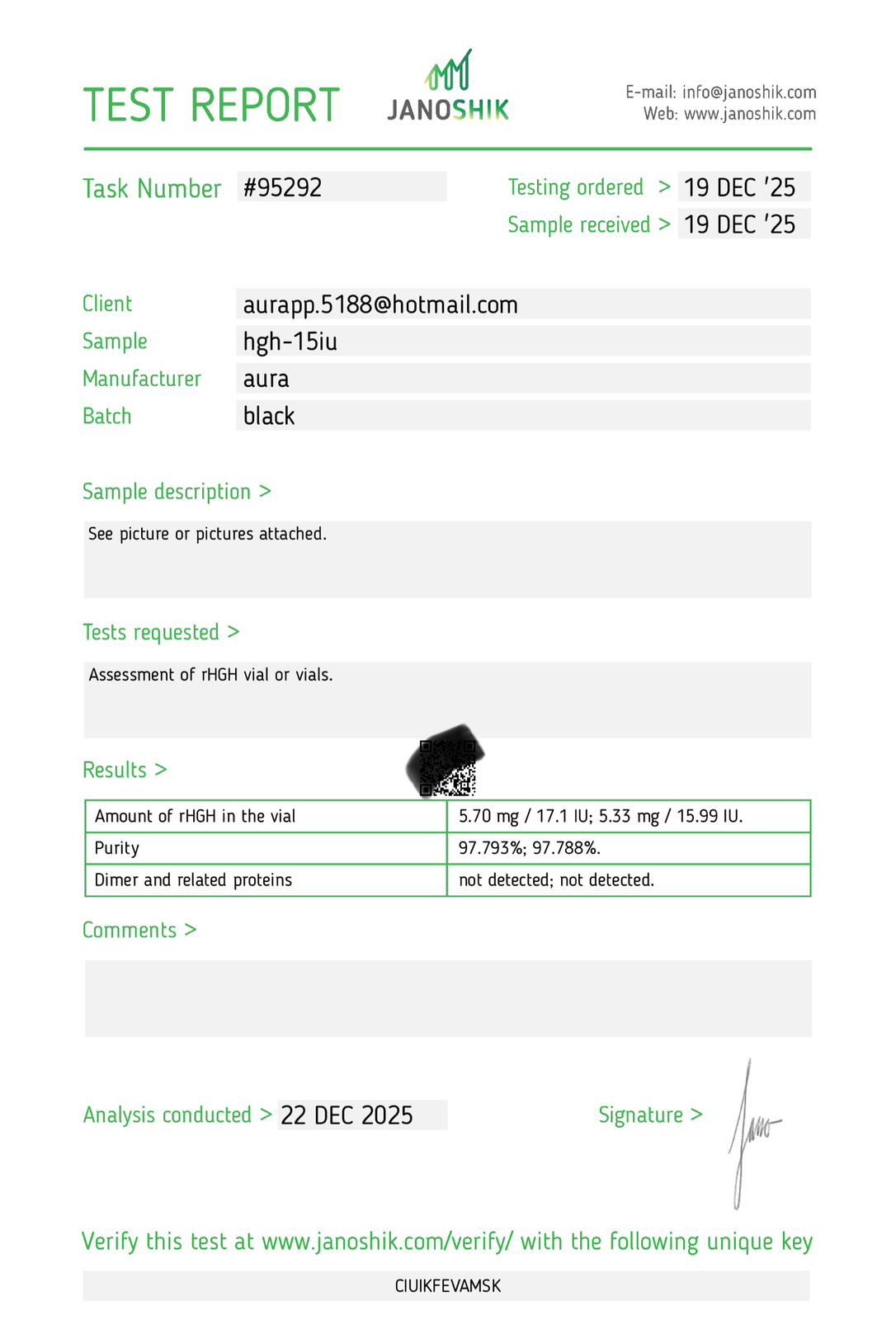
- HGH 15 IU (rHGH) · batch black · Janoshik Analytical
- Ipamorelin 10 mg · batch 50-502 · Janoshik Analytical
- TB-500 10 mg · batch LIYU20250901 · Janoshik Analytical
- Ipamorelin 10 mg · batch LIYU20250901 · Janoshik Analytical
- TB-500 (TB-4) 10 mg · batch WWB-0830 · Janoshik Analytical
Popular research topics & products
Research topics
Popular products
Regional logistics
Compounds discussed in this article
TB-500 (Thymosin Beta-4)
In stock
5-Amino-1MQ
In stock
HGH
In stock
View cart · For in-vitro research use only.
Reconstitution supplies (optional)
Sold separately and never added automatically. Solvent choice depends on the compound — check its COA or handling sheet before choosing.
Not sure which peptide fits your research question?
Take the 60-second Find Your Peptides quiz — it points you to the most relevant reference compounds for your area of investigation.
Start the quizMore in Research Journal
2026-05-22
BPC-157 in Tissue-Repair Research: What the Literature Shows
2026-07-18
BPC-157 vs TB-500: A Comparative Research Guide
2026-05-06
Cagrilintide: Long-Acting Amylin Analogue in Metabolic Research
2026-05-15
Epitalon: The Pineal Peptide in Longevity Research
2026-05-17
GHK-Cu: The Copper Peptide in Cosmetic and Skin-Biology Research
2026-07-15